Brow Lift (Forehead Lift)

Are you considering a Brow Lift in Vancouver? A Brow Lift, also known as a Forehead Lift, is a procedure that restores a youthful appearance to your eyebrows and forehead.

Dr. Anzarut’s Brow Lift procedure corrects forehead wrinkles and frown lines between the brows.

Smoothing the upper face, a Brow Lift brings more attention to the eyes, and the result is a younger, natural looking appearance.


Am I a Candidate For a Brow Lift?

You may be a candidate for a Brow Lift if you are in good physical health and do not have any medical conditions that would increase the risk of surgery.

Suitable candidates should also have realistic expectations for the procedure.

Contact us if you have any questions regarding suitability for a Brow Lift. During your consultation, your doctor will discuss your options and recommend a course of treatment.

Brow Lift Procedure

Before surgery is performed, a consultation will be done to determine your options and evaluate your physical health.

In an endoscopic Brow Lift procedure, incisions are made near the hairline and the skin is lifted off of the underlying tissue. The muscles under the skin and then adjusted, decreasing their ability to form troubling wrinkles.

Excess skin may also be removed depending on the type of procedure.

Surgery takes up to two and a half hours depending on the individual case. You may be able to go home the same day if local anesthetic is used.
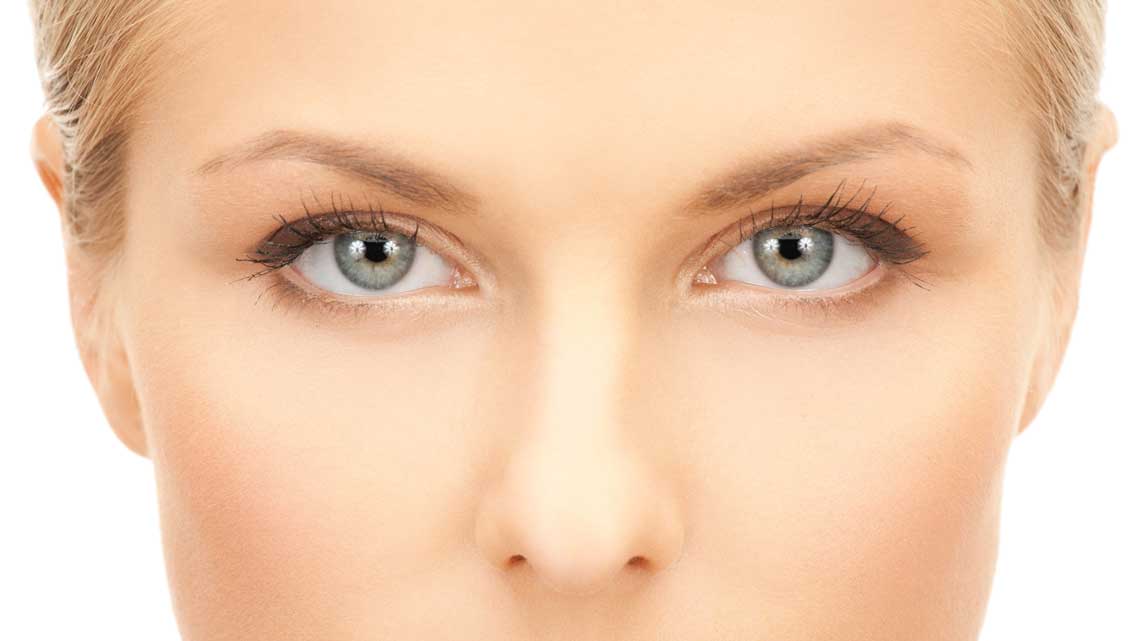
Refresh your upper face with a Brow Lift in Vancouver. Dr. Anzarut specializes in forehead lifts to elevate drooping eyebrows, smooth deep forehead wrinkles, and reduce frown lines. Achieve a natural, alert appearance with advanced endoscopic and temporal techniques. Serving Vancouver, Burnaby, Coquitlam, Richmond, Surrey, Victoria, and Nanaimo. Book a consultation today.

Recovery After Brow Lift Surgery

Unless you have multiple procedures performed at the same time, a Brow Lift is usually performed as an outpatient procedure.

Recovery times vary depending on the individual and procedure, but plan to take a few days off work. The initial healing process may take up to 14 days.

Strenuous activities should be avoided for several weeks and any bruising should subside after about 2 weeks.

Incision lines that are usually hidden under the hair will fade over time.

You will be provided instructions on how to care for the surgical area during the recovery period and medications may be prescribed to help the healing process.

If you have any questions about the recovery period, be sure to talk to your surgeon.

Brow Lift Results

You will notice an improvement in the appearance of your forehead and eyebrows immediately.

Mild swelling will settle a few weeks after surgery, and incision lines will fade, however, it may several months for the final results to appear.

Most patients experience an immediate boost in their self-esteem and self-confidence following a Brow Lift.

Limiting your exposure to the sun will help maintain your results.

Brow Lift Surgery Risks and Complications

Like all surgery, a Forehead Lift carries some risk. Although uncommon, complications are usually minor.

Some of the risks of brow lift surgery include temporary swelling and skin discoloration. In extremely rare cases, blood clots may occur.

Talk to your surgeon if you have any questions about the procedure or recovery process.

Follow your surgeon’s instructions closely after surgery for best results.

Cost of a Brow Lift in Vancouver, BC

Brow lift pricing in Vancouver is tailored to your specific facial rejuvenation goals. Total fees depend on the surgical technique—such as an endoscopic or temporal lift—the plastic surgeon’s expertise, and anesthesia or accredited surgical facility costs.

Because a forehead lift for brow ptosis or glabellar lines is an elective cosmetic procedure, it is typically not covered by MSP. However, our British Columbia clinic offers flexible medical financing through providers like Beautifi or Medicard to ensure the procedure fits your budget.

Your personalized consultation will provide a detailed quote encompassing all clinical requirements for a refreshed, youthful appearance.

Frequently Asked Questions (FAQ)

1. What is a Brow Lift (Forehead Lift)?

A Brow Lift, clinically termed a Forehead Lift, is a surgical procedure designed to elevate a descended brow line (brow ptosis) and smooth deep horizontal forehead wrinkles (rhytids). By modifying the frontalis muscle and releasing underlying fascial attachments, the surgeon restores the eyebrows to a youthful, anatomically correct position just above the orbital rim. This structural lifting eliminates a heavy, angry, or perpetually tired appearance, dramatically opening up the upper third of the face.

2. How much does a Brow Lift cost in Vancouver, BC?

In Vancouver, a surgical brow lift typically ranges from $7,000 to $12,000 CAD. This comprehensive fee includes the surgeon’s expertise, the FRCPC anesthesiologist, and operating room costs at an NHMSFAP-accredited private facility. Costs vary depending on whether an endoscopic, lateral, or trichophytic technique is utilized. At Cosmetic Surgery Vancouver BC, we provide a fully itemized, transparent quote during your consultation and accept medical financing through Canadian partners like Beautifi and Medicard.

3. Is a Forehead Lift covered by the BC Medical Services Plan (MSP)?

A forehead lift is classified as an elective cosmetic surgery and is generally not covered by the Medical Services Plan (MSP) of BC. The rare exception is if severe brow ptosis physically pushes the upper eyelid skin down, causing a documented obstruction of your superior peripheral visual field. This requires an official visual field test by an optometrist. Otherwise, structural upper-facial rejuvenation is a private-pay procedure in the Lower Mainland.

4. What is the difference between an Endoscopic and Coronal Brow Lift?

An Endoscopic Brow Lift is a minimally invasive technique utilizing a tiny camera (endoscope) inserted through small incisions hidden behind the hairline to elevate tissue with minimal downtime. A traditional Coronal Brow Lift involves an ear-to-ear incision across the top of the scalp, allowing for maximum skin excision but resulting in a longer scar and prolonged numbness. Most Vancouver patients now opt for the advanced, rapid-recovery endoscopic approach.

5. Do I need a Brow Lift or an Upper Blepharoplasty (Eyelid Surgery)?

Patients often confuse heavy, hooded eyelids (dermatochalasis) with a descending forehead (brow ptosis). If your eyebrows sit below the orbital bone, removing eyelid skin via an Upper Blepharoplasty will actually pull the brow down further, crowding the eye. Dr. Anzarut will physically elevate your forehead during your consultation to accurately diagnose whether you require a brow lift, eyelid surgery, or a combined approach for optimal periorbital rejuvenation.

6. Will a Forehead Lift fix my frown lines (“11s”)?

Yes. Deep vertical frown lines between the eyebrows (the glabellar complex) are caused by the hyperactivity of the corrugator supercilii and procerus muscles. During a surgical brow lift, the surgeon can physically weaken or partially excise these specific depressor muscles. This provides a permanent, structural reduction of your “11 lines,” functioning as a long-lasting surgical alternative to injectable neuromodulators like Botox Cosmetic.

7. What is a Temporal (Lateral) Brow Lift?

A Temporal Brow Lift, or lateral brow lift, specifically targets the outer one-third (the tail) of the eyebrow. As we age, the lateral brow is often the first area to droop, creating a sad or hooded appearance at the outer corners of the eyes. Using small incisions hidden in the temporal hairline, the surgeon elevates the superficial temporal fascia, lifting the brow tail to restore a bright, youthful, and naturally arched contour.

8. Will a Brow Lift raise my hairline?

It depends entirely on the surgical technique used. An Endoscopic Brow Lift shifts the scalp backward, which can slightly elevate the hairline. If you already have a high forehead, the surgeon will utilize a Trichophytic Brow Lift. In this approach, the incision is made exactly at the anterior hairline, and excess forehead skin is removed. This elevates the brows while simultaneously lowering or maintaining your natural hairline position.

9. What type of anesthesia is used for a Brow Lift?

To ensure your absolute comfort and airway safety, a brow lift is typically performed under deep IV Sedation (Twilight Anesthesia) or General Anesthesia. Because the procedure involves elevating deep periosteal tissues off the forehead bone, complete sedation is required. In our accredited Vancouver facility, this is administered exclusively by a specialist Fellow of the Royal College of Physicians and Surgeons of Canada (FRCPC) anesthesiologist.

10. How long is the recovery time for Brow Lift surgery?

Most Vancouver patients plan for 10 to 14 days of social downtime. You will experience moderate swelling and bruising that often gravitates down into the eyelids, mimicking a mild “black eye.” The forehead will feel tight and numb. We remove surgical staples or sutures in the clinic at Day 7 to 10. By week two, residual bruising easily hides under makeup, allowing you to confidently return to office work.

11. What are the potential risks of Forehead Lift surgery?

While exceptionally safe when performed by an FRCSC specialist, inherent surgical risks include hematoma (blood collection), infection, and temporary or permanent hair loss (alopecia) strictly along the incision sites. The most specific anatomical risk is injury to the supraorbital nerve, which can cause temporary or prolonged numbness in the forehead and scalp. Dr. Anzarut utilizes meticulous endoscopic visualization to safely navigate and protect these critical nerve pathways.

12. Will I look “surprised” or over-pulled after surgery?

The “surprised” or “deer-in-the-headlights” look is the result of outdated surgical techniques that aggressively over-elevated the medial (inner) brow. Modern plastic surgery focuses on a natural, conservative vector of pull. By emphasizing the elevation of the lateral brow (the tail) rather than the center, an expert surgeon restores a relaxed, elegant arch that looks completely natural and harmonious with your fundamental facial structure.

13. When can I return to exercise and outdoor activities?

Light, indoor walking is mandatory immediately to prevent blood clots. However, rigorous cardiovascular activities, heavy lifting, or anything that spikes your blood pressure (like running the Vancouver Seawall or doing yoga inversions) must be strictly avoided for 3 to 4 weeks. Elevating your heart rate prematurely severely increases the risk of a delayed hematoma. You must also wear a hat and SPF outdoors to protect healing incisions from UV damage.

14. Can I combine a Brow Lift with a Facelift?

Yes. In fact, combining a Forehead Lift with a Deep Plane Facelift and Neck Lift is the most effective way to achieve comprehensive, full-facial pan-rejuvenation. A facelift only addresses the mid-to-lower face; ignoring a heavy, sagging brow can create a mismatch between a youthful jawline and an aged upper face. Combining procedures subjects the patient to only a single general anesthetic and one unified recovery period.

15. How do I choose the best Brow Lift surgeon in Vancouver?

Never compromise on facial anatomy. Ensure your surgeon is a Fellow of the Royal College of Physicians and Surgeons of Canada (FRCSC) specifically trained in Plastic Surgery. Verify their medical standing with the College of Physicians and Surgeons of BC (CPSBC). Review their specific before-and-after brow lift gallery, looking for hidden hairline scars, natural lateral arch elevation, and an absolute absence of the “surprised” or over-pulled aesthetic.

16. Are the results of a Forehead Lift permanent?

The surgical excision of skin and the release of descending ligaments provides a permanent structural reset, typically making the upper face look 10 to 15 years younger. However, a brow lift cannot stop the biological aging process. Over the following decades, natural skin laxity and gravity will slowly resume. Maintaining your results with diligent sun protection and periodic neuromodulator (Botox) maintenance will help preserve your surgical investment.

17. Where are the incisions hidden?

For an Endoscopic Brow Lift, the surgeon makes 3 to 5 tiny (1-inch) incisions completely hidden behind the natural hairline. For a Temporal Lift, the incisions are concealed within the hair above the temples. Once the incisions fully heal and mature over 6 to 12 months, the scars are virtually imperceptible, allowing you to confidently pull your hair back or wear it up without visible evidence of surgery.

18. Why must I stop smoking before forehead surgery?

Nicotine is a powerful vasoconstrictor that starves the scalp and forehead tissues of vital oxygen and blood flow. Continuing to smoke or vape before surgery drastically increases the risk of catastrophic complications, including tissue necrosis (skin death), severe infections, and permanent hair loss (alopecia) along the incision lines. You must be completely nicotine-free for a strict minimum of 4 to 6 weeks before and after surgery.

19. Can Botox replace a surgical Brow Lift?

Neuromodulators (Botox, Dysport) can achieve a temporary, mild “chemical brow lift” by relaxing the depressor muscles that pull the brow down. This is excellent for patients in their 30s or 40s with minimal sagging. However, once you develop severe structural brow ptosis and redundant, heavy skin folds, injectables are no longer physically capable of lifting the tissue. At that stage, a surgical Forehead Lift is the only definitive anatomical solution.

20. Where is the Brow Lift procedure performed in Vancouver?

Your safety is our absolute priority. All facial surgeries are performed in a state-of-the-art private surgical centre fully accredited by the Non-Hospital Medical and Surgical Facilities Accreditation Program (NHMSFAP) of BC. This stringent, government-mandated certification guarantees our operating rooms are equipped with hospital-grade sterilization technology, emergency protocols, and advanced monitoring systems, ensuring your surgery meets the highest medical safety standards in the province.

Book a Consultation Today

Service Area Locations

Dr Anzarut Plastic Surgery in Vancouver serves Kitsilano, Burnaby, Coquitlam, New Westminster, Richmond, Surrey, Delta, North Vancouver, West Vancouver, Langley, and White Rock in Metro Vancouver (Lower Mainland), British Columbia.

Dr Anzarut Plastic Surgery in Duncan serves Victoria, Nanaimo, Courtenay, Campbell River, Parksville, Port Alberni, Ladysmith, Cowichan Valley, and Comox Valley on Vancouver Island.

Things to Consider When Choosing a Brow Lift (Forehead Lift) in Vancouver

A heavy, descending brow can project a perpetually tired, angry, or sad appearance, even when you feel rested. Correcting this requires profound anatomical mastery of the upper face to avoid the dreaded “surprised” look. This comprehensive checklist covers every clinical, anatomical, financial, and logistical detail you must know before booking a brow lift in Vancouver, British Columbia.

I. Surgeon & Facility Credentials (The “Who” and “Where”)

  1. FRCSC Certification: Verify your surgeon is a Fellow of the Royal College of Physicians and Surgeons of Canada in Plastic Surgery.
  2. “Cosmetic” vs. “Plastic” Surgeon: In BC, any general practitioner can market themselves as a “cosmetic surgeon.” Only an FRCSC has completed a rigorous 5+ year surgical residency.
  3. NHMSFAP Accreditation: Your surgery must occur in a private facility fully accredited by the Non-Hospital Medical and Surgical Facilities Accreditation Program (NHMSFAP) of BC.
  4. CPSBC Standing: Search the College of Physicians and Surgeons of BC directory to confirm your surgeon has a clean disciplinary record.
  5. Hospital Privileges: A top-tier Vancouver surgeon will hold admitting privileges at major local hospitals like Vancouver General Hospital (VGH) or St. Paul’s.
  6. Anesthesia Provider: Confirm your sedation will be administered by a Board-Certified Anesthesiologist (FRCPC) to ensure maximum airway safety.
  7. Local Expertise: Choosing a specialized local clinic, such as Cosmetic Surgery Vancouver BC, ensures your treatment aligns with West Coast aesthetic standards.
  8. Diagnostic Skill: An elite surgeon like Dr. Anzarut must be able to physically differentiate between heavy eyelid skin and true structural brow descent during your consultation.
  9. Malpractice Insurance: Verify the surgeon carries robust coverage through the Canadian Medical Protective Association (CMPA).
  10. Revision Experience: Surgeons who routinely perform complex facial revisions possess a deeper understanding of underlying fascial and nerve anatomy.

II. Anatomy & Physiology of the Upper Face

  1. Brow Ptosis: The medical term for a descended eyebrow that rests below the orbital rim.
  2. Dermatochalasis: Excess eyelid skin. Often confused with brow ptosis, but treating one when the other is the culprit leads to poor aesthetic outcomes.
  3. Frontalis Muscle: The large muscle elevating the forehead. Overusing it to lift heavy brows causes deep horizontal forehead wrinkles (rhytids).
  4. Corrugator Supercilii: The muscles responsible for pulling the brows inward and downward, creating deep “11” frown lines (glabellar complex).
  5. Procerus Muscle: The muscle pulling down the inner corner of the brows, causing horizontal wrinkles across the bridge of the nose.
  6. Supraorbital Nerve: A critical sensory nerve exiting the skull above the eye. Precise surgical navigation is required to prevent forehead numbness.
  7. Hairline Position: A crucial factor. A high hairline requires different surgical techniques than a low, heavy hairline to prevent elongating the forehead.
  8. Scalp Laxity: The flexibility of your scalp determines how much tension can be safely applied during the lift.
  9. Bone Structure: The prominence of your orbital rim (brow bone) dictates how the soft tissue drapes and determines the limit of natural elevation.
  10. Tissue Thickness: Thicker, sebaceous skin requires more robust internal fixation techniques than thin skin.

III. Surgical Techniques & Approaches

  1. Endoscopic Brow Lift: The modern gold standard. Uses a tiny camera inserted through small incisions hidden behind the hairline to elevate tissue with minimal scarring and rapid recovery.
  2. Coronal Brow Lift: An older technique using an ear-to-ear incision across the top of the scalp. Removes the most skin but results in a long scar and prolonged scalp numbness.
  3. Trichophytic Brow Lift: The incision is placed exactly at the anterior hairline. Used specifically to lower or maintain a high hairline while lifting the brow.
  4. Temporal (Lateral) Brow Lift: Small incisions hidden in the temple hair. Specifically targets the outer third of the brow to cure “hooding” without elevating the center.
  5. Direct Brow Lift: An incision made directly above the eyebrow hair. Mostly reserved for older patients with severe functional vision loss or facial palsy where scarring is a secondary concern.
  6. Transpalpebral Approach: Accessing and weakening the frown muscles through an upper eyelid blepharoplasty incision, avoiding scalp incisions entirely.
  7. Endotine Fixation: Bio-absorbable, multi-tined surgical implants used internally to anchor the lifted forehead tissue securely to the skull while it heals.
  8. Suture Suspension: Using deep, permanent or slow-dissolving threads to anchor the lifted galea (scalp fascia) to the bone.
  9. Cortical Bone Tunnels: Drilling microscopic tunnels into the outer layer of the skull to tie securing sutures without leaving hardware behind.
  10. Myotomy: The surgical severing or partial removal of the depressor muscles to permanently cure deep frown lines.

IV. Financials & BC Medical Services Plan (MSP)

  1. No MSP Coverage for Aesthetics: A brow lift performed for cosmetic rejuvenation is never covered by the Medical Services Plan (MSP).
  2. The Visual Field Exception: MSP may cover the procedure if severe brow ptosis physically obstructs your superior peripheral vision.
  3. Optometrist Testing: To qualify for MSP coverage, you must pass a documented visual field test proving significant impairment.
  4. Cost Range in Vancouver: Private cosmetic brow lifts typically range from $7,000 to $12,000 CAD, depending on the surgical approach.
  5. 5% GST: Elective cosmetic surgery is subject to the 5% Goods and Services Tax (GST) in Canada.
  6. Medical Financing: Many Lower Mainland clinics partner with Beautifi or Medicard to offer flexible monthly payment plans.
  7. Quote Transparency: Ensure your itemized quote explicitly includes the surgeon’s fee, OR facility time, anesthesia, and internal fixation devices.
  8. Consultation Fees: Expect a $150-$300 initial consult fee, usually deducted from your final surgical cost.
  9. Non-Refundable Deposits: Securing OR time typically requires a deposit ranging from $1,000 to $2,000.
  10. Tax Deductibility: Purely cosmetic forehead lifts are generally not a tax-deductible medical expense by the CRA.

V. Pre-Operative Preparation

  1. Nicotine Ban: You must stop smoking, vaping, or using nicotine patches for 4-6 weeks pre-op to prevent tissue necrosis (skin death) and hair loss at the incisions.
  2. Blood Thinners: Discontinue Aspirin, Advil, Vitamin E, Fish Oil, and Ginseng two weeks prior to minimize surgical bleeding and hematoma risks.
  3. LifeLabs Bloodwork: You will likely need pre-op blood tests (CBC, clotting factors) at a local LifeLabs two weeks prior.
  4. ECG Clearance: Patients over 50 generally require an electrocardiogram to ensure cardiac safety under anesthesia.
  5. Hair Colouring: Dye your hair one week before surgery; you will not be able to apply harsh chemicals to your healing scalp for 4 to 6 weeks post-op.
  6. Post-Op Escort: You cannot take an Uber or BC Transit alone after sedation. A responsible adult must drive you home.
  7. Home Setup: Purchase a wedge pillow system. You must sleep elevated at a 45-degree angle to minimize severe facial swelling that migrates to the eyes.
  8. Wardrobe Prep: Buy button-down or zip-up shirts. You cannot pull tight sweaters over your head or your surgical dressings.
  9. Meal Prep: Cook and freeze low-sodium meals. Salt drastically exacerbates post-operative facial edema.
  10. Hygiene: You will wash your hair with an antibacterial soap (like Hibiclens) the morning of surgery. Do not apply hair spray or styling products.

VI. The Surgical Experience

  1. Anesthesia Type: Endoscopic lifts are performed under deep IV Sedation (Twilight) or General Anesthesia to ensure total comfort while the periosteum is lifted off the bone.
  2. Duration: An isolated brow lift takes 1 to 2 hours.
  3. Blood Pressure Control: The anesthesiologist strictly manages your blood pressure during surgery to prevent scalp bleeding.
  4. DVT Prevention: Sequential Compression Devices (SCD boots) will massage your lower legs in the OR to prevent blood clots (Deep Vein Thrombosis).
  5. Hypothermia Prevention: Bair Hugger warming blankets maintain your core temperature, reducing cardiac stress.
  6. Tumescent Fluid: A mixture of saline and epinephrine is injected into the forehead to hydro-dissect tissues and drastically minimize bleeding.
  7. PONV Protocols: Anti-nausea medications (like Zofran) are given preemptively, as vomiting raises facial blood pressure dangerously.
  8. Surgical Staples vs. Sutures: Scalp incisions are often closed with surgical staples because they are less damaging to hair follicles than tight sutures.
  9. Recovery Room: You will be monitored for 1-2 hours by specialized perioperative nurses until grogginess subsides.
  10. Discharge: Forehead lifts are outpatient day surgeries; you will go home the same afternoon.

VII. Immediate Recovery Timeline (First 14 Days)

  1. Strict Elevation: Keep your head elevated above your heart at all times. Bending over will cause immediate throbbing and pressure.
  2. Swelling Peak: Forehead swelling peaks at Days 3 to 4. Gravity will pull this fluid down, often causing your upper eyelids to swell shut temporarily.
  3. Bruising Migration: Bruising will migrate downward, giving you bilateral “black eyes” even if your eyelids were not operated on.
  4. Cold Compresses: Apply gel ice packs to the forehead and eyes 20 minutes on, 20 minutes off, for the first 48 hours.
  5. Pain Control: Patients describe the pain as a tight, severe “tension headache,” easily managed with prescribed analgesics or Tylenol.
  6. Constipation: Opioids cause constipation. Start taking RestoraLAX immediately post-op.
  7. Showering: You can usually shower and gently wash your hair with baby shampoo after 48-72 hours. Let the soapy water run over the staples—do not scrub.
  8. Staple Removal: Staples or sutures in the hairline are usually removed in the clinic around Day 7 to 10.
  9. Driving Ban: No driving while on narcotics or while your vision is obstructed by swollen eyelids.
  10. Social Downtime: Expect to take 10 to 14 days off work. Residual bruising can be camouflaged with makeup by week two.

VIII. Long-Term Healing & Results

  1. The “Settling” Phase: The brows are intentionally over-elevated during surgery by a few millimeters because they will relax and drop slightly over the first 6 weeks.
  2. Numbness: The forehead and front of the scalp will be completely numb. This is normal.
  3. The “Zingers”: As the sensory nerves heal over 3 to 6 months, you will experience sudden, itchy, electrical “zinging” sensations in your scalp.
  4. Scar Maturation: Scalp scars mature over 12 months. They may be pink and bumpy initially before flattening out.
  5. Shock Loss (Alopecia): You may experience temporary thinning of the hair strictly around the incision lines. Hair usually regrows fully in 3-6 months.
  6. Exercise Return: Light walking is mandatory immediately. Heavy lifting, yoga inversions, and vigorous cardio are strictly banned for 3 to 4 weeks.
  7. UV Protection: Vancouver sun can permanently darken fresh scars (hyperpigmentation). Wear a hat and SPF 50 outdoors.
  8. Final Contour: Deep, microscopic swelling takes a full 6 months to completely dissipate, revealing the final brow position.
  9. Longevity: A surgical brow lift typically lasts 10 to 15 years.
  10. Maintenance: Protecting your investment with medical-grade skincare and periodic Botox injections will prolong the smoothness of the forehead.

IX. Risks & Complications (The “What Ifs”)

  1. Hematoma: A rapid pooling of blood under the scalp requiring immediate surgical drainage.
  2. Frontal Nerve Injury: Damage to the frontal branch of the facial nerve, causing an inability to raise the eyebrows (temporary or permanent).
  3. Supraorbital Nerve Injury: Damage causing permanent numbness or chronic nerve pain (neuralgia) in the forehead and scalp.
  4. Asymmetry: One brow may sit slightly higher than the other. (Note: Most faces are naturally asymmetrical prior to surgery).
  5. Over-Elevation: The dreaded “surprised” or “deer-in-the-headlights” look caused by pulling the central brow too high.
  6. Lagophthalmos: Pulling the brow too high can inadvertently pull the upper eyelid up, making it difficult to close the eyes completely.
  7. Infection: Rare in the highly vascular scalp, but requires immediate oral or IV antibiotics if heat and redness occur.
  8. Hardware Palpability: In thin-skinned patients, Endotine devices or bone tunnels may be felt under the skin until they fully dissolve.
  9. Widened Scars: Tension on the closure can stretch the scars, making them visible in the hairline.
  10. Dissatisfaction: Usually stems from poor patient selection (e.g., treating a heavy brow when an eyelid lift was actually needed).

X. Local Logistics & Combination Surgeries

  1. Upper Blepharoplasty Combo: The most common pairing. The brow lift positions the frame, and the eyelid surgery removes the excess curtain of skin.
  2. Facelift Combo: Ensures the upper third of the face matches the newly rejuvenated jawline and neck.
  3. Traffic Logistics: Avoid the Lions Gate or Ironworkers bridges during rush hour on your painful drive home from the Vancouver surgical center.
  4. Winter Recovery: Fall and winter are the best times for facial surgery in Vancouver, as toques easily hide scalp incisions and bandages.
  5. Rain Gear: Buy a zip-up raincoat. You cannot pull a tight shell jacket over your stapled scalp.
  6. Flying Restrictions (YVR): You cannot fly for at least 1-2 weeks post-op due to the severe DVT risk and pressure changes at cabin altitude.
  7. Avoid Medical Tourism: Traveling abroad for facial surgery leaves you stranded if a hematoma or nerve issue occurs back in BC.
  8. Second Opinions: Consult with at least two FRCSC plastic surgeons in the Lower Mainland to compare their recommended endoscopic vs. trichophytic approaches.
  9. Pressure Tactics: If a clinic pushes you to book immediately with a “limited-time discount,” walk away. Medical safety has a fixed cost.
  10. The Psychological Payoff: The recovery requires patience, but the ultimate reward is profound confidence and an open, bright, and rested reflection.