For those of us who exercise regularly and eat a healthy diet but still don’t see the results that we want, liposuction can help.
Parts of our body may still retain stubborn fat cells no matter how hard we try to get rid of them. This may be hereditary so don’t blame yourself.
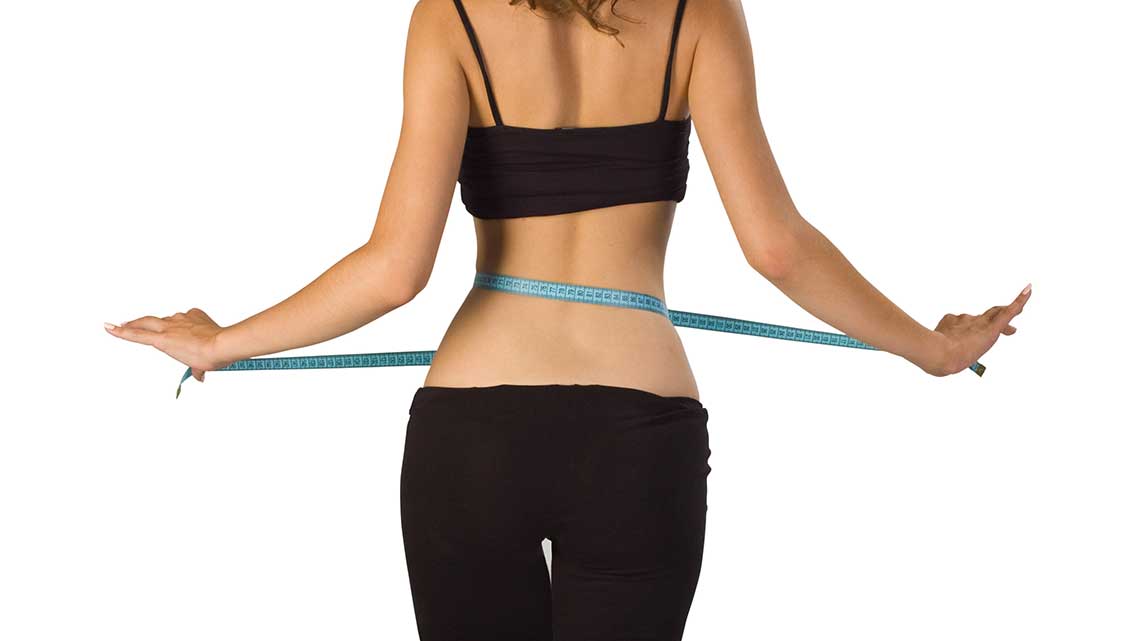
Liposuction performed on common areas such as the thighs, hips, tummy, and buttocks can significantly improve overall appearance and is an effective body contouring technique.
Am I a Candidate For Liposuction?
Liposuction is not for everyone. It is not a treatment for cellulite or stretch marks. The procedure is not a cure for obesity, nor is it a substitute for diet and exercise.
Candidates should be within 25% of their ideal body weight, in good physical health, and have reasonably good skin tone and elasticity.
Contact us and we will help you determine if this treatment is right for you.
Liposuction Procedure
Before the liposuction procedure, you will have a consultation with plastic surgeon Dr. Anzarut, which includes a physical examination and a psychological evaluation. This is to ensure you are fit to undergo surgery. Feel free to bring someone with you and ask questions.
You will be asked to sign a consent form before your operation to confirm that you understand the benefits, risks, and alternatives to the operation.
Depending on how much fat is removed and the number of areas treated, liposuction operations can take between one and four hours and are performed under general anesthetic.
To prepare the area where fat is to be removed, a mixture of anesthetic, salt solution and a medication called epinephrine is first infused to reduce bleeding and swelling.
A thin hollow tube called a cannula which is attached to vacuum machine is then inserted under the skin to loosen excess fat and suck it out. Any excess fluid and blood is then drained.
Recovery After Liposuction Surgery
It is important to realize that even though tiny incisions are made, healing after liposuction is a gradual process, and adequate rest in the days following the surgery will be required.
For some patients, the operation is a day procedure, which means you don’t need to stay in hospital overnight. If general anesthetic is used however, an overnight stay may be recommended, as you will not be able to drive yourself home.
To reduce the risk of infection, you may be required to take antibiotics after the procedure. You will be fitted with elastic bandages to help reduce swelling and bruising, and your doctor will give you instructions on how long to wear them for.
It takes about 2 weeks to recover from liposuction and you may need to make arrangements to take up to 10 days off work.
It may take several months for the area to settle and results may not be noticeable until the swelling has gone down. This is normal.
Results of liposuction are long lasting as long as you maintain a healthy body weight. By exercising regularly and eating a healthy diet, you can help maintain your new shape.
Cost of Liposuction
The cost of liposuction is highly variable, as it is customized to the number of treatment zones and the volume of subcutaneous fat being addressed.
Total fees are influenced by the specific technique—such as Power-Assisted Liposuction (PAL) or tumescent liposuction—and whether it is performed as a standalone procedure or part of a Mommy Makeover or tummy tuck.
Since body contouring is an elective cosmetic surgery, it is not covered by MSP. To assist with your investment, we offer medical financing, allowing for flexible monthly payments that align with your aesthetic goals.
Frequently Asked Questions (FAQ)
1. What is liposuction?
Liposuction is a cosmetic surgical procedure designed to remove localized fat deposits from specific areas of the body. The treatment can help improve body contours and proportions by targeting areas of stubborn fat that may not respond to diet and exercise alone.
2. Who is a good candidate for liposuction?
Good candidates are healthy adults who are close to their ideal body weight but have areas of unwanted fat that persist despite healthy lifestyle habits. Candidates should have realistic expectations and understand that liposuction is intended for body contouring rather than significant weight loss.
3. What areas of the body can be treated with liposuction?
Liposuction can be performed on many areas of the body. Common treatment areas include the abdomen, waist, hips, thighs, buttocks, back, upper arms, neck, and chin. The procedure is customized to each patient’s anatomy and cosmetic goals to achieve balanced body contours.
4. How does liposuction work?
During liposuction, small incisions are made and a specialized instrument is used to loosen and remove excess fat from targeted areas. The procedure is carefully planned to improve body shape and contour while preserving natural-looking proportions and creating smoother transitions between treated areas.
5. Is liposuction a weight-loss procedure?
No. Liposuction is not considered a weight-loss procedure and should not replace healthy diet and exercise habits. Instead, it is designed to remove localized fat deposits and improve body contour. Individuals seeking major weight reduction may require other treatment approaches or lifestyle modifications.
6. What is recovery like after liposuction?
Recovery varies depending on the amount of fat removed and the treatment areas involved. Patients commonly experience swelling, bruising, and temporary discomfort. Most individuals can gradually resume normal activities as healing progresses, following the postoperative instructions provided by their surgical team.
7. Will liposuction leave scars?
Liposuction requires small incisions, which result in small scars. These incisions are typically placed in discreet locations whenever possible. Although all surgical scars are permanent, they often become less noticeable over time as healing occurs and the scars gradually mature.
8. Are the results of liposuction permanent?
The fat cells removed during liposuction do not return. However, remaining fat cells can still enlarge if significant weight gain occurs after surgery. Maintaining a stable weight and healthy lifestyle can help preserve the results and support long-term improvements in body contour.
9. What are the risks associated with liposuction?
Like all surgical procedures, liposuction carries potential risks. These may include bleeding, infection, swelling, bruising, contour irregularities, fluid accumulation, and changes in sensation. A thorough consultation and careful adherence to postoperative instructions can help support a safe recovery process.
10. When will I see the final results of liposuction?
Some improvements are noticeable soon after treatment, but swelling can temporarily affect the appearance of the treated areas. As healing progresses and swelling subsides, body contours become more defined. Final results are generally evaluated several months after surgery once recovery is complete.