
Are you considering Liposuction in Vancouver? For those of us who exercise regularly and eat a healthy diet but still don’t see the results that we want, liposuction can help.
Parts of our body may still retain stubborn fat cells no matter how hard we try to get rid of them. This may be hereditary so don’t blame yourself.
Liposuction performed on common areas such as the thighs, hips, tummy, and buttocks can significantly improve overall appearance and is an effective body contouring technique.
Am I a Candidate For Liposuction?
Liposuction is not for everyone. It is not a treatment for cellulite or stretch marks. The procedure is not a cure for obesity, nor is it a substitute for diet and exercise.
Candidates should be within 25% of their ideal body weight, in good physical health, and have reasonably good skin tone and elasticity.
Contact us and we will help you determine if this treatment is right for you.
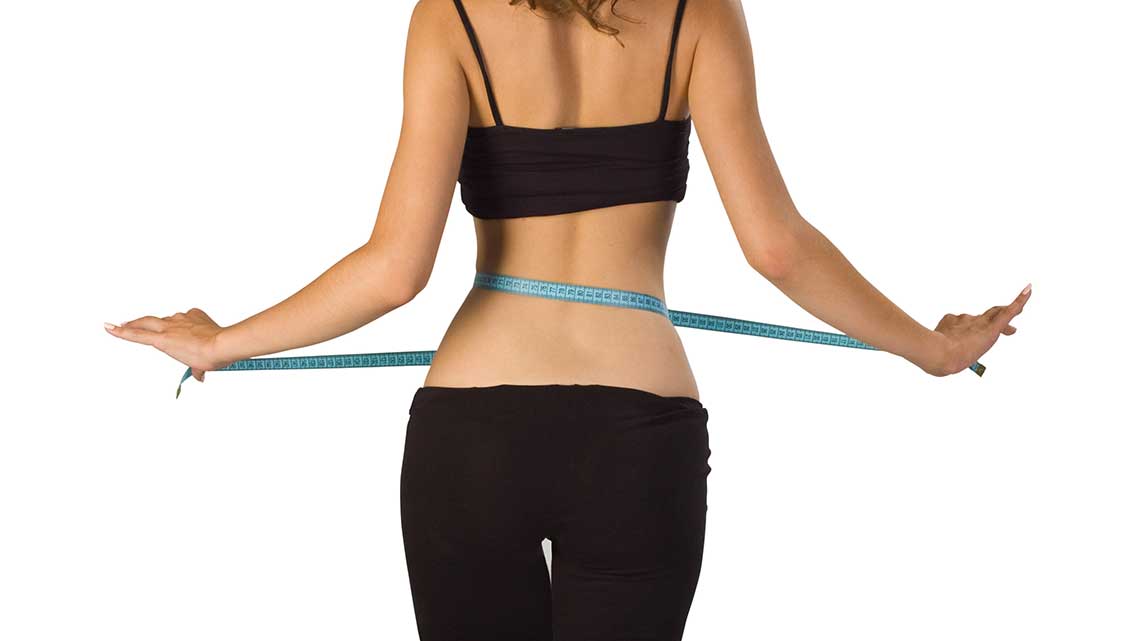
Liposuction Procedure
Before the liposuction procedure, you will have a consultation with plastic surgeon Dr. Anzarut, which includes a physical examination and a psychological evaluation. This is to ensure you are fit to undergo surgery. Feel free to bring someone with you and ask questions.
You will be asked to sign a consent form before your operation to confirm that you understand the benefits, risks, and alternatives to the operation.
Depending on how much fat is removed and the number of areas treated, liposuction operations can take between one and four hours and are performed under general anesthetic.
To prepare the area where fat is to be removed, a mixture of anesthetic, salt solution and a medication called epinephrine is first infused to reduce bleeding and swelling.
A thin hollow tube called a cannula which is attached to vacuum machine is then inserted under the skin to loosen excess fat and suck it out. Any excess fluid and blood is then drained.
Recovery After Liposuction Surgery
It is important to realize that even though tiny incisions are made, healing after liposuction is a gradual process, and adequate rest in the days following the surgery will be required.
For some patients, the operation is a day procedure, which means you don’t need to stay in hospital overnight. If general anesthetic is used however, an overnight stay may be recommended, as you will not be able to drive yourself home.
To reduce the risk of infection, you may be required to take antibiotics after the procedure. You will be fitted with elastic bandages to help reduce swelling and bruising, and your doctor will give you instructions on how long to wear them for.
It takes about 2 weeks to recover from liposuction and you may need to make arrangements to take up to 10 days off work.
It may take several months for the area to settle and results may not be noticeable until the swelling has gone down. This is normal.
Results of liposuction are long lasting as long as you maintain a healthy body weight. By exercising regularly and eating a healthy diet, you can help maintain your new shape.
Cost of Liposuction in Vancouver, BC
The cost of liposuction in Vancouver is highly variable, as it is customized to the number of treatment zones and the volume of subcutaneous fat being addressed. Total fees are influenced by the specific technique—such as Power-Assisted Liposuction (PAL) or tumescent liposuction—and whether it is performed as a standalone procedure or part of a Mommy Makeover or tummy tuck.
Your personalized quote at our British Columbia clinic covers the Royal College-certified plastic surgeon’s fee, anesthesia, and the use of our accredited surgical facility. Since body contouring is an elective cosmetic surgery, it is not covered by MSP. To assist with your investment, we offer medical financing, allowing for flexible monthly payments that align with your aesthetic goals.
Frequently Asked Questions (FAQ)
1. What is Liposuction?
Liposuction is a targeted body contouring procedure that permanently removes diet-resistant subcutaneous adipose tissue (fat). Utilizing a hollow surgical tube called a cannula connected to a medical vacuum, the surgeon meticulously extracts excess adipocytes (fat cells) from localized areas. At Dr Anzarut Plastic Surgery, this surgery is not a weight-loss tool, but rather a highly specific method to sculpt, define, and proportion the body’s natural silhouette.
2. How much does Liposuction cost in Vancouver, BC?
In Vancouver, Liposuction costs typically range from $4,500 to $18,000 CAD. A single small area (like submental/chin fat) starts around $4,500, while comprehensive multi-zone procedures like Lipo 360 range from $12,000 to $18,000 CAD. This fee includes the FRCSC surgeon’s specialist fee, FRCPC anesthesiologist, operating room time in an NHMSFAP-accredited facility, and your post-operative compression garments. We provide transparent quotes and partner with Beautifi for flexible medical financing.
3. Is Liposuction covered by the BC Medical Services Plan (MSP)?
No. Liposuction is strictly classified as an elective cosmetic procedure designed to enhance body contours. Therefore, it is never covered by the Medical Services Plan (MSP) of British Columbia. The only exceedingly rare exceptions are medically necessary reconstructive cases (such as treating severe lipodystrophy or lymphedema), which require stringent prior authorization. For aesthetic patients in the Lower Mainland, this remains entirely a private-pay investment.
4. Am I a good candidate for Liposuction?
The ideal candidate is a healthy, non-smoking adult at or near their ideal body weight (a stable Body Mass Index under 30) with stubborn, localized fat deposits. Crucially, you must possess excellent skin elasticity. If your skin lacks recoil due to age, genetics, or previous pregnancies, removing the underlying fat will result in loose, sagging skin. During your consultation, we clinically assess your tissue compliance to ensure optimal contouring results.
5. What is the difference between Subcutaneous and Visceral fat?
Liposuction exclusively removes subcutaneous fat—the soft, pinchable layer located directly between the skin and the muscle fascia. It is physically impossible to suction out visceral fat, which is the hard, intra-abdominal fat that surrounds your internal organs (liver, intestines). Visceral fat can only be reduced through strict diet and cardiovascular exercise. We evaluate your fat distribution to ensure realistic surgical expectations.
6. What is Lipo 360?
Lipo 360 refers to comprehensive, 360-degree circumferential body contouring. Instead of treating just the front of the stomach, the surgeon extracts fat from the entire midsection: the upper and lower abdomen, the flanks (love handles), the bra rolls, and the lower back. This unified, multi-zone approach allows Dr. Anzarut to aggressively sculpt a continuous, athletic hourglass silhouette that blends seamlessly from the ribs down to the hips.
7. What type of anesthesia is used?
Minor, single-zone procedures (like the chin or knees) can be safely performed under Local Anesthesia with oral sedation. However, large-volume fat extraction or Lipo 360 requires General Anesthesia or deep IV sedation to ensure complete patient comfort and airway safety. In our accredited Vancouver facility, sedation is administered exclusively by a Board-Certified Anesthesiologist (FRCPC), guaranteeing the absolute highest standard of intraoperative medical monitoring.
8. What is Tumescent Liposuction?
Tumescent Liposuction is the modern gold standard for fat removal. Before inserting the cannula, the surgeon infuses the target area with a massive volume of specialized fluid containing sterile saline, lidocaine (a local anesthetic), and epinephrine (a potent vasoconstrictor). This fluid physically swells (tumesces) the fat compartment, hydro-dissecting the adipocytes away from connective tissue while drastically shrinking blood vessels to minimize intraoperative bleeding (hemostasis) and post-operative bruising.
9. What is the difference between PAL and SAL?
Suction-Assisted Liposuction (SAL) is the traditional method using a standard cannula and manual surgeon force. Power-Assisted Liposuction (PAL) utilizes a specialized cannula that vibrates thousands of times per minute. This rapid oscillation gently breaks apart dense, fibrous adipose tissue (common in the male chest or upper back) before it is suctioned out. PAL allows for smoother, more precise contouring with less tissue trauma and a faster recovery.
10. Will Liposuction help me lose weight?
No, Liposuction is not a treatment for obesity. While we physically remove pounds of fat (measured in cubic centimeters or CCs), the primary goal is geometric reshaping, not dropping numbers on the scale. The maximum safe extraction limit is typically 4 to 5 liters per session to prevent severe fluid shifts and lidocaine toxicity. The visual transformation in how your clothing fits will be far more dramatic than your weight loss.
11. How long is the recovery time?
Most Vancouver patients require 5 to 10 days of social downtime, depending on the number of zones treated. You will experience profound muscle soreness, similar to an intense full-body workout. Post-operative swelling (edema) and bruising peak around Day 3 and 4. While you can return to desk work quickly, physically demanding jobs require 2 to 3 weeks of recovery. Deep, microscopic tissue swelling takes 3 to 6 months to fully resolve.
12. Why must I wear a compression garment?
You will wake up in a tight, specialized medical garment called a faja. You must wear this 24/7 for 4 to 6 weeks. Post-operative compression serves three critical biological functions: it forces massive surgical fluid out of the tissue, prevents the formation of fluid pockets (seromas) in the empty fat spaces, and physically forces the newly undermined skin to shrink-wrap and adhere smoothly to the underlying muscle fascia.
13. Are the results of Liposuction permanent?
Yes. Once an adipocyte (fat cell) is surgically extracted, the adult human body does not regenerate a new one to replace it. Therefore, the sculpted contour is structurally permanent. However, if you consume excess calories post-surgery, the remaining fat cells in the treated and untreated areas can undergo cellular hypertrophy (expand in size). Maintaining a stable weight preserves your newly refined proportions for life.
14. Can Liposuction treat cellulite or loose skin?
Liposuction does not treat cellulite, which is caused by tight fibrous bands (septae) pulling the skin down, not just excess fat. Furthermore, aggressively removing fat from an area with pre-existing skin laxity will actually worsen the appearance, leaving a deflated, crepey texture. If you have significant loose skin, fat extraction must be combined with surgical excision, such as an Abdominoplasty (Tummy Tuck) or Brachioplasty.
15. What areas of the body can be treated?
Virtually any area with localized subcutaneous fat can be contoured. In our Vancouver clinic, the most frequently requested zones include the submental region (double chin), the abdomen, the flanks (love handles), the inner and outer thighs (saddlebags), the upper arms, the knees, and the male chest to treat pseudogynecomastia. We customize every surgical plan based on your unique anatomical fat distribution.
16. Can I combine Liposuction with a Tummy Tuck?
Absolutely. Combining an Abdominoplasty (Tummy Tuck) and liposuction—often termed a Lipo-abdominoplasty—is the ultimate protocol for waistline contouring. While the tummy tuck excises the hanging panniculus (loose skin) and repairs diastasis recti (muscle separation), liposuction aggressively sculpts the flanks and upper abdomen. By addressing both structural laxity and stubborn fat simultaneously, we achieve a high-definition, athletic result in a single, unified recovery period.
17. What are the medical risks?
When performed by an FRCSC specialist in an accredited facility, risks are low. However, inherent surgical risks include contour irregularities (rippling), seromas, infection, and skin numbness. The most critical, life-threatening risks are Deep Vein Thrombosis (DVT) and pulmonary embolism. We enforce strict safety protocols, including intraoperative SCD compression boots, rigorous fluid management, and mandatory early walking to maintain optimal blood circulation.
18. Where will the scars be located?
The incisions required for cannula insertion are extremely small, typically 3 to 5 millimeters in length. An expert plastic surgeon strategically hides these micro-incisions within the body’s natural anatomical creases, the bikini line, or the belly button. While these incisions leave tiny, permanent scars, they heal remarkably well and typically fade into virtually imperceptible, pale marks over 12 to 18 months.
19. When can I return to the gym or the Seawall?
Light, flat-terrain walking on the Vancouver Seawall is mandatory immediately post-op to prevent blood clots. However, heavy weightlifting, hot yoga, and rigorous cardiovascular activities must be completely paused for 4 to 6 weeks. Elevating your heart rate and blood pressure prematurely can trigger a late-onset hematoma (internal bleeding) and drastically prolong your swelling phase by overwhelming your lymphatic system.
20. How do I choose the best Liposuction surgeon in Vancouver?
Never compromise on body contouring; uneven fat removal creates permanent, visible deformities. Ensure your surgeon is a Fellow of the Royal College of Physicians and Surgeons of Canada (FRCSC). Verify their standing with the College of Physicians and Surgeons of BC. At Dr Anzarut Plastic Surgery, we utilize advanced techniques and deep anatomical knowledge to ensure smooth, natural, and symmetrical results, never prioritizing extreme volume over patient safety.
Book a Consultation Today
Service Area Locations

Dr Anzarut Plastic Surgery in Vancouver serves Kitsilano, Burnaby, Coquitlam, New Westminster, Richmond, Surrey, Delta, North Vancouver, West Vancouver, Langley, and White Rock in Metro Vancouver (Lower Mainland), British Columbia.
Dr Anzarut Plastic Surgery in Duncan serves Victoria, Nanaimo, Courtenay, Campbell River, Parksville, Port Alberni, Ladysmith, Cowichan Valley, and Comox Valley on Vancouver Island.
Things to Consider When Choosing Liposuction in Vancouver
Liposuction is not a weight-loss shortcut; it is a highly precise, three-dimensional surgical sculpting of the human form. Extracting subcutaneous adipose tissue requires a profound understanding of underlying muscle fascia, skin elasticity, and fluid dynamics. This comprehensive checklist covers every clinical, anatomical, technological, and logistical detail you must know before booking a liposuction procedure in Vancouver, or any accredited facility in British Columbia.
I. Surgeon & Facility Credentials (The “Who” and “Where”)
- FRCSC Certification: Verify your surgeon is a Fellow of the Royal College of Physicians and Surgeons of Canada specifically in Plastic Surgery.
- “Cosmetic” vs. “Plastic” Surgeon: In BC, any doctor can legally call themselves a “cosmetic surgeon.” Only an FRCSC holds rigorous, multi-year surgical residency training in complex tissue management.
- NHMSFAP Accreditation: Your surgery must occur in a private facility fully accredited by the Non-Hospital Medical and Surgical Facilities Accreditation Program (NHMSFAP) of BC to ensure hospital-grade sterility.
- CPSBC Standing: Search the College of Physicians and Surgeons of BC directory to confirm your surgeon has a clean disciplinary record.
- Hospital Privileges: A top-tier Vancouver surgeon holds admitting privileges at major local hospitals, such as Vancouver General Hospital (VGH) or St. Paul’s, ensuring seamless care in an emergency.
- Anesthesia Provider: Confirm any deep IV sedation or general anesthesia will be administered by a Board-Certified Anesthesiologist (FRCPC) to ensure maximum airway safety.
- Local Expertise: Choosing an established local practice like Dr Anzarut Plastic Surgery ensures your treatment aligns with rigorous West Coast safety protocols and aesthetic standards.
- Surgical Restraint: An elite surgeon understands that what they leave behind is more important than what they remove. Over-suctioning creates permanent, visible deformities.
- Malpractice Insurance: Verify the surgeon carries robust coverage through the Canadian Medical Protective Association (CMPA).
- Revision Experience: Surgeons who routinely perform complex secondary (revision) liposuction possess a superior understanding of underlying fascial scarring and contour irregularities.
II. Anatomy & Candidacy
- Subcutaneous vs. Visceral Fat: Liposuction only removes subcutaneous fat (the soft, pinchable layer under the skin). It cannot physically remove visceral fat (hard fat surrounding internal organs).
- Skin Elasticity (Tissue Compliance): The most critical factor. If your skin lacks elastin (recoil) due to age or genetics, removing the fat will leave a deflated, wrinkly skin envelope.
- Body Mass Index (BMI): For safety under anesthesia and to prevent DVT, accredited BC facilities strictly enforce a BMI limit, typically under 30. Liposuction is for contouring, not obesity treatment.
- Adipocytes: The scientific term for fat cells. Once an adult adipocyte is surgically removed, the body does not regenerate a new one in that exact location.
- Cellulite Ineffectiveness: Liposuction does not cure cellulite, which is caused by fibrous septal bands pulling the skin down. Suctioning fat can actually make cellulite look worse.
- Lipedema: A chronic medical condition causing abnormal fat buildup in the legs. Specialized water-assisted liposuction is required for lipedema, which differs from standard cosmetic liposuction.
- Striae (Stretch Marks): Stretch marks indicate torn dermis (poor elasticity). Areas with severe stretch marks often require skin excision (like a Tummy Tuck) rather than liposuction alone.
- Muscle Tone: Excellent underlying muscle tone (hypertrophy) provides the best foundation for High-Definition (HD) liposculpture to reveal the “six-pack.”
- Weight Stability: You must be at a stable weight for 6 months prior to surgery. Yo-yo dieting alters adipocyte volume and ruins surgical predictability.
- Realistic Expectations: The goal is geometric proportion and improved clothing fit, not a specific number on the scale.
III. Liposuction Modalities & Technology
- Tumescent Infiltration: The universal gold standard. The surgeon infuses the fat with a solution of saline, lidocaine (numbing), and epinephrine (vasoconstrictor) to minimize bleeding and hydro-dissect the fat.
- Suction-Assisted Liposuction (SAL): The traditional method using a hollow stainless-steel cannula and a medical vacuum. Best for precise, small-volume contouring.
- Power-Assisted Liposuction (PAL): A specialized cannula that vibrates thousands of times per minute to gently break apart dense, fibrous fat (e.g., male chest or upper back) with less tissue trauma.
- Ultrasound-Assisted Liposuction (UAL / VASER): Emits ultrasonic energy to liquefy fat cells before suctioning. Excellent for high-definition sculpting and stimulating mild skin retraction.
- Laser-Assisted Liposuction (SmartLipo): Uses thermal laser energy to melt fat and heat the dermis to encourage collagen production and skin tightening.
- Radiofrequency-Assisted Lipolysis (BodyTite): Often combined with SAL, it uses bipolar radiofrequency energy to severely heat the fibroseptal network, causing significant skin contraction.
- Cannula Diameter: Master surgeons use very thin micro-cannulas (2mm to 4mm) to ensure smooth, uniform fat removal without creating large, traumatic tunnels.
- Superficial Liposculpture: Intentionally suctioning very close to the underside of the dermis to induce controlled scarring, which tightens the skin (carries a high risk of rippling if done poorly).
- Closed-Loop Systems: Used if the extracted fat is being saved for Autologous Fat Grafting (e.g., transferring to the breasts or buttocks).
- The “Wet” vs. “Super-Wet” Technique: Refers to the exact ratio of tumescent fluid injected relative to the volume of fat being removed, carefully calculated by the anesthesiologist.
IV. Specific Treatment Zones
- Submental Liposuction: Removing fat from under the chin and jawline. Often permanently transformative for the facial profile.
- Lipo 360: Circumferential contouring of the entire midsection: upper/lower abdomen, flanks (love handles), and lower back in one unified procedure.
- Flanks (Love Handles): One of the most common and successful areas, as the skin here is typically thick and retracts beautifully.
- Pseudogynecomastia: Enlarged male breasts caused strictly by excess fat (not glandular tissue). Treated effectively with PAL or VASER liposuction.
- Outer Thighs (Saddlebags): A genetically stubborn area for women. Requires conservative suctioning to prevent creating a visible dent or “divot.”
- Inner Thighs: The skin here is notoriously thin and prone to sagging. Only highly specific, conservative micro-liposuction is indicated here.
- Medial Knees: Removing small fat pads on the inner knees to create a sleeker, uninterrupted leg silhouette.
- Brachial (Upper Arm) Liposuction: Contouring the “bat wings.” Requires excellent skin elasticity, otherwise a surgical Arm Lift (Brachioplasty) is needed.
- Bra Rolls: Removing the stubborn pockets of back fat that bulge over the bra strap.
- Buffalo Hump: A localized fat deposit at the base of the neck, easily removed with targeted liposuction.
V. Financials & BC Medical Services Plan (MSP)
- MSP Cosmetic Non-Coverage: Aesthetic fat removal is strictly elective and never covered by the Medical Services Plan (MSP).
- Cost Range in Vancouver: A single small zone (like the chin) starts at $4,500 CAD, while comprehensive Lipo 360 can range from $12,000 to $18,000 CAD.
- 5% GST: Elective cosmetic surgery is subject to the 5% Goods and Services Tax (GST) in Canada.
- Anesthesia Fees: Operating under general anesthesia with an FRCPC anesthesiologist significantly increases the facility fee compared to local anesthesia.
- Medical Financing: Many Lower Mainland clinics partner with Beautifi or Medicard to offer flexible monthly payment plans.
- Quote Transparency: Ensure your quote explicitly includes the surgeon’s fee, OR facility time, anesthesia, and the required post-op compression garments.
- Consultation Fees: Expect a $150-$300 initial consult fee, usually deducted from your final surgical cost.
- Non-Refundable Deposits: Securing OR time typically requires a deposit ranging from $1,000 to $2,000.
- Touch-Up Costs: Minor asymmetries can occur. Ask about the clinic’s policy and associated OR fees for secondary touch-ups.
- Tax Deductibility: Purely cosmetic liposuction is generally not a tax-deductible medical expense by the CRA.
VI. Pre-Operative Preparation
- Nicotine Ban: You must stop smoking, vaping, or using nicotine for 4-6 weeks pre-op to prevent catastrophic delayed wound healing and tissue necrosis.
- Blood Thinners: Discontinue Aspirin, Advil, Vitamin E, Fish Oil, and Ginseng two weeks prior to minimize severe bruising and hematoma risk.
- LifeLabs Bloodwork: You will need comprehensive pre-op blood tests (CBC, clotting factors) at a local LifeLabs two weeks prior.
- ECG Clearance: Patients over 50 generally require an electrocardiogram to ensure cardiac safety under general anesthesia.
- Compression Garment Fitting: You will be pre-measured for a faja (medical compression garment) before your surgery day.
- Hydration Protocol: Drink plenty of water the week before surgery to optimize your blood volume and cellular health.
- Post-Op Escort: You cannot take an Uber or BC Transit alone after sedation. A responsible adult must drive you home.
- Meal Prep: Cook and freeze low-sodium meals. Excess salt will drastically exacerbate post-operative edema (swelling).
- Hygiene: You will wash your body with an antibacterial soap (like Hibiclens) the morning of surgery to prevent staph infections.
- Fasting: Strict NPO (nothing by mouth) after midnight the night before your surgery to prevent aspiration during anesthesia.
VII. The Surgical Experience
- Anesthesia Selection: Minor zones use Local Anesthesia. Multi-zone contouring requires General Anesthesia or deep IV sedation for patient comfort and muscle relaxation.
- Surgical Marking: The surgeon draws topographical “contour maps” on your body with a sharpie while you are standing upright to account for gravity.
- Duration: Liposuction is time-intensive. Procedure length ranges from 1 to 4 hours, depending on the volume and number of zones.
- The Safe Extraction Limit: To prevent severe physiological shock and fluid imbalance, surgeons typically do not extract more than 4 to 5 liters of fat in a single outpatient session.
- Tumescent Infusion: The first step is pumping liters of the saline/lidocaine mixture into your fat layer, making the tissue firm and swollen.
- Micro-Incisions: The surgeon makes tiny 3mm incisions (often hidden in the belly button or bikini line) and inserts a protective port to prevent friction burns on the skin.
- The Cross-Hatching Technique: The surgeon passes the cannula from multiple different incision points in a crisscross pattern to ensure perfectly smooth, even fat removal.
- DVT Prevention: Sequential Compression Devices (SCD boots) vigorously massage your calves in the OR to prevent blood clots (Deep Vein Thrombosis).
- Hypothermia Prevention: Bair Hugger warming blankets maintain your core temperature, reducing cardiac stress in the OR.
- Recovery Room: You will be monitored for 1-2 hours by specialized perioperative nurses until your vitals are completely stable.
VIII. Immediate Recovery & Post-Op Care
- The “Leaking” Phase: Because massive amounts of tumescent fluid are injected, you will leak pink, blood-tinged fluid from the incision sites for the first 24 to 48 hours. This is normal and beneficial.
- Absorbent Pads: Sleep on dark towels or use medical “puppy pads” on your bed to protect your mattress from the draining fluid.
- Compression 24/7: You must wear the faja (compression garment) day and night for 4 to 6 weeks. It forces the empty fat pockets to collapse and the skin to adhere to the muscle.
- The “Hit by a Truck” Feeling: Liposuction does not cause sharp pain, but rather profound, deep muscle soreness, akin to an impossibly intense workout.
- Swelling Peak: Abdominal and bodily swelling peaks at Days 3 to 5. You will likely weigh more than you did before surgery due to extreme fluid retention (edema).
- Bruising Migration: Bruising will be extensive and gravity will pull it downward (e.g., abdominal bruising will migrate to the groin).
- Manual Lymphatic Drainage (MLD): Many surgeons mandate professional MLD massages starting at Day 5 to physically push trapped fluid out of the lymphatic system and speed up healing.
- Driving Ban: No driving while on prescription narcotics or while your mobility is severely restricted by soreness (usually 1-2 weeks).
- Walking is Mandatory: You must take short, slow walks around your house immediately on Day 1 to prevent fatal DVT blood clots.
- Showering: You can usually shower after 48 hours. Let soapy water run over the tiny incisions, but do not scrub. You must immediately put the tight, wet faja back on or swap to a dry one.
IX. Long-Term Healing & Results
- Skin Retraction: The skin takes 3 to 6 months to fully shrink-wrap over the newly sculpted muscle fascia.
- Fibrosis: You will feel hard, lumpy scar tissue under the skin at weeks 3-6. This is fibrosis (the healing process) and will gradually soften and resolve with time and massage.
- Numbness: The treated areas will be completely numb for weeks or months. Sensation returns slowly with itchy, electrical “zingers” as the sensory nerves regenerate.
- Scar Maturation: The 3mm incisions will be red and raised initially, fading to flat, pale dots over 12 months.
- Exercise Return: Light walking on the Vancouver Seawall is encouraged. Heavy weightlifting and intense cardio are banned for 4 to 6 weeks to prevent spiking blood pressure and internal bleeding.
- Final Contour: Deep, microscopic tissue swelling takes a full 6 to 12 months to completely dissipate, revealing the final, chiseled result.
- Wardrobe Patience: Do not buy expensive new tailored clothing until the 3-month mark when profound edema has resolved.
- Permanent Results: The extracted fat cells are gone forever. The new silhouette is yours to keep.
- Weight Gain Mechanics: If you gain weight post-op, the fat will distribute to the remaining fat cells in your body. If you had abdominal lipo, new fat may accumulate more noticeably in untreated areas like the arms or thighs.
- Skin Laxity Reassessment: If the skin fails to retract adequately after 6 months, a secondary skin-excision procedure (like a mini tummy tuck) may be required.
X. Complications, Safety & Vancouver Lifestyle
- Seroma: A localized pocket of trapped surgical fluid. Easily diagnosed and drained in the office with a small needle.
- Hematoma: A rapid pooling of blood under the skin (usually within 24 hours) requiring surgical evacuation.
- Contour Irregularities: Rippling, divots, or asymmetry caused by uneven fat removal or poor skin elasticity. This is the most common aesthetic complication globally.
- Lidocaine Toxicity: An extremely rare but dangerous complication if the anesthesiologist miscalculates the tumescent fluid limits.
- Deep Vein Thrombosis (DVT) & Pulmonary Embolism (PE): Blood clots in the legs that can travel to the lungs. Early walking and hydration are your best defenses.
- Infection: Rare, but requires immediate antibiotics. Keep incision sites meticulously clean.
- Traffic Logistics: Avoid the Lions Gate or Ironworkers bridges during rush hour on your painful drive home from the Vancouver surgical center to minimize nausea in the car.
- Flying Restrictions (YVR): You cannot fly for at least 2-3 weeks post-op due to the severe DVT risk at cabin altitude and pressure-induced swelling.
- Avoid Medical Tourism: Traveling abroad for cheap liposuction is highly dangerous. A long flight home exponentially increases DVT risk, and you will be left stranded if a severe infection occurs back in BC.
- The Psychological Payoff: The recovery requires navigating significant swelling and stiff compression garments, but the ultimate reward is a permanently streamlined, athletic silhouette that finally matches the effort you put into your diet and exercise.
