Neck Lift Surgery, Neck Sculpting (Platysmaplasty)

Have you been considering neck lift surgery in Vancouver? A neck lift can help give your face and neck area a youthful, refreshed look.

Neck lifts and neck sculpting are an increasingly popular choice for many people looking to turn back the clock on their appearance. But before undergoing any procedure, it’s important to understand what a neck lift entails and who is qualified to perform it.

The first step in understanding the process of getting a neck lift is exploring why someone might choose one. As we age, our skin loses elasticity and wrinkles form around our eyes, forehead, mouth, and jawline.

Sun exposure also affects our skin’s tone and texture as well as causes discoloration or brown spots. All these factors contribute to making us look older than we are.

Fortunately, with modern advancements like laser treatments or injectables, along with surgical procedures like a neck lift, aging doesn’t have to be so obvious.

Types of Neck Lift Procedures

The neck lift procedure is a popular cosmetic surgery in Vancouver. There are several types of neck lifts that are commonly performed, depending on an individual’s needs and desired results.

The first type of neck lift is a corset platysmaplasty, which tightens and removes excess skin from the neck area. This procedure also helps to reshape the underlying muscle structure of the neck to create a more defined jaw line.

The second type is neck sculpting. It involves reduction of the enlarged glands, muscles, and fatty tissue in the neck. It is the only procedure that can provide a sustained long term improvement in the contour of the neck 

Lastly, a liposuction neck lift is another option for those wanting to remove unwanted fat from their chin or neck area. During this procedure, small incisions are made near the chin or lower jawline. A suction device then carefully extracts excess fat cells from beneath the surface of the skin.

Results from this procedure can be seen almost immediately after surgery and will continue to improve over time as swelling subsides.

Define your jawline with a Neck Lift in Vancouver. Correct turkey neck, platysma bands, and double chin fat. Our platysmaplasty tightens muscle and skin for a sculpted, elegant profile. Serving Vancouver, Burnaby, Coquitlam, Richmond, Surrey, Victoria, and Nanaimo. Book your consult today.

Am I a Candidate For a Neck Lift?

If you’re wondering if you’re a good candidate for a neck lift, or lower rhytidectomy, there are some factors to consider.

The most important factor in determining candidacy for a neck lift is your overall health. You must be in good physical and mental health to undergo any cosmetic surgery procedure.

Additionally, having realistic expectations about what results can be achieved with a neck lift will also help you determine if it’s right for you. Your surgeon should be able to provide you with an accurate assessment of what an ideal outcome might look like based on your individual anatomy and aesthetic goals.

Ultimately, it’s best to discuss your specific situation with Dr. Anzarut before making any decisions regarding treatment options.

By taking into account all of these factors, you can gain insight into whether or not you’re a good candidate for a neck lift in Vancouver today.

Dr Anzarut Plastic Surgery offers neck lift surgery for BC residents, including Vancouver, Burnaby, Coquitlam, Richmond, Surrey, Victoria, and Nanaimo.

Neck Lift Procedure

Having already established who is a good candidate for a neck lift, the next step is to understand what to expect during the procedure. A neck lift involves removing excess skin and fat, while also tightening muscles in the neck and lower jaw area. This process can be done alone, or combined with other procedures such as liposuction, brow lifts, and facelifts.

Before any surgery begins, patients should discuss their health history with their surgeon. The surgeon will consider factors like age, medical history, lifestyle habits, and expectations to help customize the procedure for each patient’s needs. During this consultation period, patients should also talk about any medications they take; this includes vitamins, supplements or herbal remedies.

The actual procedure typically takes 3-6 hours depending on how extensive it is. Most patients will be under a general anesthetic as this is the best way to protect the airway and avoid complications. Once complete, a bandage or wrap may be placed around the chin and neck area to provide support during recovery. Aftercare instructions will also be given by the doctor before patients are released from surgery.

Following the procedure, patients will experience swelling and bruising in the area which should subside over several weeks as recovery progresses. Mild pain can be expected as well which can usually be managed with medication prescribed by the doctor. While it’s recommended that patients get plenty of rest after surgery, light exercise can usually resume within two weeks post-surgery under doctor supervision.

With proper care following surgery and healthy lifestyle habits afterwards, results should last for many years providing a more youthful appearance in the neck area.
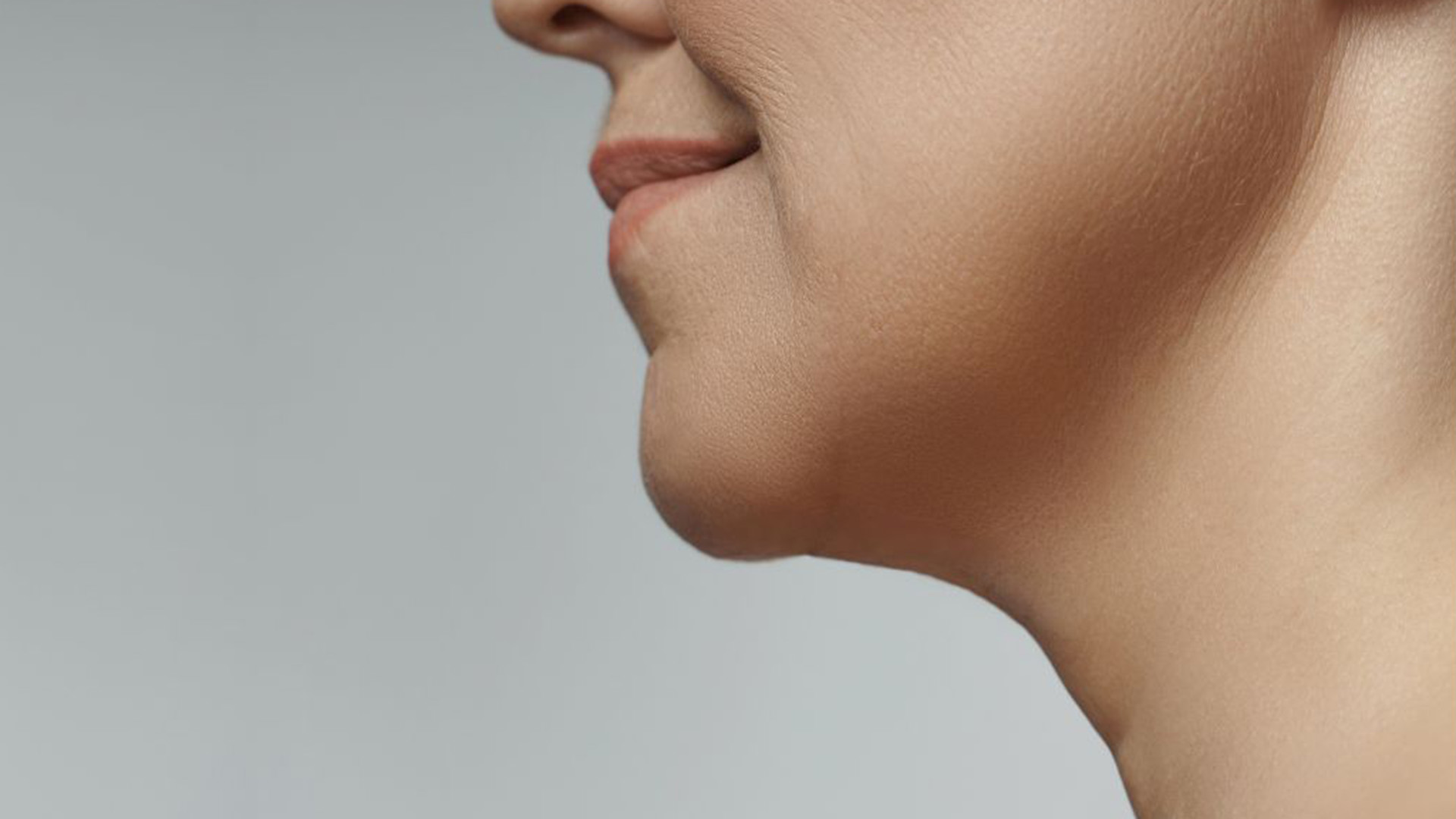
You may be a candidate for a Neck Lift by Dr Anzarut if you are looking for a more youthful appearance

Recovery After Neck Lift Surgery

The length of time needed for recovery will vary depending on the individual, most patients will be presentable at 3 weeks. You will be able to go out to major events at 3 months and will look your best by 12 months.

During this period of time, you should be able to return to most normal activities such as work, social events or leisure activities, but you should avoid strenuous exercise and any activity that requires physical effort. You may also experience some swelling and bruising around the area where the incisions were made, which should begin to reduce after a few days.

The results of a neck lift are not immediate and may take several weeks before they become fully visible. However, once they do become visible, you should see a noticeable improvement in the appearance of your neck with sagging skin reduced and improved definition achieved. It is important to note that there are different techniques used for a neck lift depending on individual needs; some techniques can provide longer lasting results than others.

It is essential to follow your surgeon’s aftercare advice carefully as this will help ensure that you get the best possible outcome from your neck lift procedure. Your surgeon will be able to advise you on how long it should take before you see the full effects of your neck surgery and answer any questions or concerns you may have.

With proper care and attention, you can look forward to enjoying a younger looking neckline in no time.

Neck Lift Results

While many people see immediate results from a neck lift, the long-term effects really depend on the type of neck lift procedure provided. The neck sculpting procedure Dr. Anzarut performs will provide very long lasting results when applied in the correct candidate. This is distinct from regular routine neck lifts which generally only last a few years.

The sutures used to close incisions should be kept dry and covered with sterile gauze until healed.

Additionally, proper sun protection is essential in order to maintain optimal aesthetic outcomes over time. Sunscreen and protective clothing can help prevent UV damage that can lead to scarring or discoloration of the skin.

It is also important for patients to keep up with regular follow-up appointments in order to assess any changes in the area where the neck lift was performed. During these visits, your doctor will discuss lifestyle factors such as diet and exercise which may impact the longevity of your results.

The majority of people who have undergone a neck lift experience lasting cosmetic improvements for several years following their procedure. However, it’s always recommended that you speak with your doctor about what you can do to ensure the best possible outcome from your treatment.
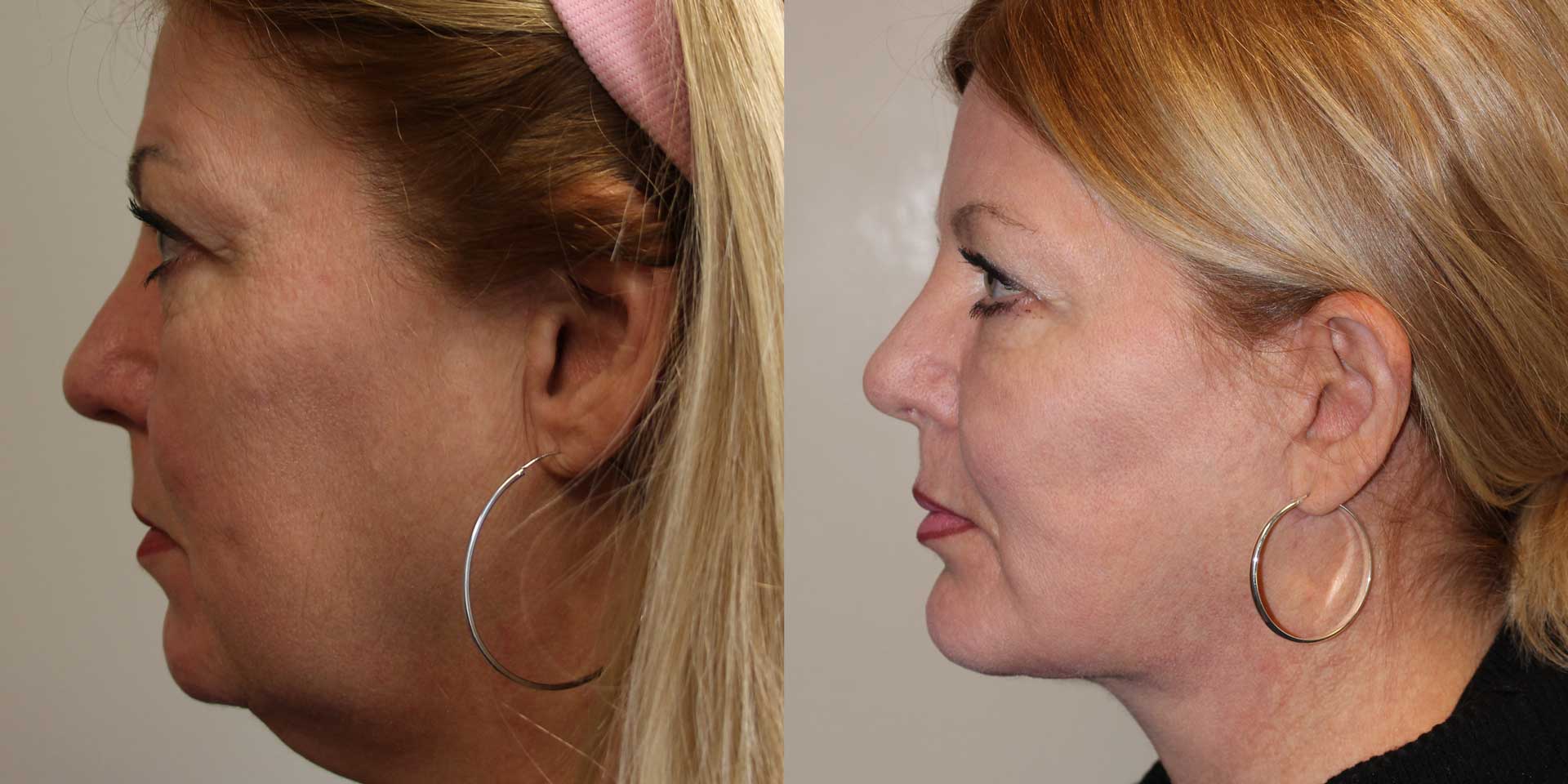
case 14425 neck lift surgery before and after photo side view

Neck Lift Surgery Risks and Complications

Before considering a neck lift, it is important to be aware of the potential risks and complications that may arise. Potential risks of a neck lift include bleeding, infection, scarring, and nerve damage.

It is also important to be aware of the potential complications that can occur after the surgery has been completed. Swelling, bruising, numbness or tenderness in the treatment area are all common side effects of neck lifts. These will usually subside within a few weeks after the procedure has been completed. However, if these symptoms persist for an extended period of time it is important to contact your surgeon as soon as possible.

The best way to ensure a successful outcome from your neck lift procedure is to find an experienced and qualified plastic surgeon who can provide you with personalized care and advice throughout your recovery process.

Be sure to ask questions about any potential risks or complications before undergoing the procedure so that you can make an informed decision about whether or not a neck lift is right for you.

Cost of a Neck Lift in Vancouver, BC

The cost of a neck lift in Vancouver can vary depending on the type of procedure you’re having done and the surgeon you choose.

Generally speaking, the cost of a neck lift ranges from $18,000 to $26,000 CAD. This includes preoperative tests, surgical fees and hospital fees. The exact cost for each individual patient will depend on the complexity of the surgery and other factors related to their health and overall medical history.

There are no additional costs associated with your neck lift, such as anesthesia fees and post-operative care. Financing options are available to help reduce potential costs associated with your neck lift surgery.

It’s recommended that you book a consultation with Dr. Anzarut to get answers to any questions you may have.

What Other Procedures Can Be Combined With a Neck Lift?

A neck lift can often be combined with other procedures to improve the overall appearance of the face and neck. These include a facelift, brow lift, eyelid surgery, skin resurfacing treatments such as laser or chemical peels, and fat transfer. Combining these procedures can help create an improved facial contour that looks more natural and youthful.

Facelifts are designed to address laxity in the lower two-thirds of the face. They involve repositioning deeper tissues, tightening them and removing excessive fat and skin to achieve a smooth and rejuvenated look. During this procedure, excess fat may also be removed from under the chin if necessary. This helps redefine the jaw line while improving hollows beneath it.

Brow lifts focus on lifting sagging eyebrows, smoothing wrinkles around the forehead area, and restoring definition along with upper eyelids. Eyelid surgery is performed to reduce puffiness and remove any excess skin or fat bulges around eyes for a refreshed and brightened look.

Skin resurfacing techniques such as lasers or chemical peels are used to treat sun damage or acne scars by exfoliating dead cells from the surface layer of skin on your face or neck area. Finally, fat transfers involve taking small amounts of donor fat from one area of your body before injecting it into areas that need re-volumizing for a smoother texture with less visible imperfections.

Together these therapies can provide you with much needed improvement in facial fullness and definition without having overly drastic results. With careful consideration during consultation appointments beforehand, they can give you a balanced look after just one surgery session rather than multiple operations over time.

Non-Surgical Alternatives To a Neck Lift

For those who are not ready to commit to a neck lift procedure, there are other options that may help reduce the appearance of sagging skin in the neck area.

Non-surgical treatments can be used to restore volume and elasticity to the skin without requiring incisions or downtime.

Laser resurfacing can help improve texture, tone, and contour of the skin in the neck region by stimulating collagen production and removing surface imperfections.

Dermal fillers can also be used to add support and definition to areas of sagging skin around the neck. These treatments are non-invasive and provide immediate results with minimal downtime.

In addition, patients may choose to combine different types of treatment for optimal results. For example, laser resurfacing could be combined with an injectable filler in order to both improve texture while adding volume. This type of combination therapy can be tailored depending on each patient’s individual needs and desired outcome.

Additionally, many non-surgical treatments like lasers or fillers can be repeated periodically for long-term results.

Watch Dr. Anzarut Explain Neck Lifts

Frequently Asked Questions (FAQ)

1. What is a Neck Lift Surgery (Platysmaplasty)?

A Neck Lift, clinically termed Platysmaplasty, is a surgical procedure that addresses severe laxity, excess fat, and muscle separation in the neck and jawline. By meticulously excising loose skin and suturing the platysma muscle together like an internal corset, the surgeon restores a sharp, youthful cervicomental angle. For Vancouver patients struggling with a “turkey wattle” or heavy jowls that non-surgical treatments cannot fix, a platysmaplasty provides the most definitive, long-lasting structural rejuvenation.

2. How much does Neck Lift Surgery cost in Vancouver, BC?

In Vancouver, a standalone neck lift typically ranges from $15,000 to $24,000 CAD. When combined with a Facelift (Rhytidectomy)—which is highly recommended for seamless, natural-looking results—the total investment ranges from $22,000 to $35,000 CAD. This fee includes the surgeon’s specialized expertise, the FRCPC anesthesiologist, operating room time at an accredited facility, and post-operative garments. We provide a transparent, itemized quote during your consultation so you can accurately plan your aesthetic investment.

3. Is a Neck Lift covered by the BC Medical Services Plan (MSP)?

No. A Neck Lift (Platysmaplasty) is classified as an elective cosmetic procedure and is never covered by the Medical Services Plan (MSP) of British Columbia. Because it is performed solely for aesthetic rejuvenation, it is entirely private-pay. To help make your surgery more accessible, our Lower Mainland clinic partners with top Canadian medical financing companies like Beautifi and Medicard to offer flexible, competitive monthly payment plans.

4. What is the difference between a Neck Lift and a Facelift?

A Neck Lift exclusively targets the area below the jawline, eliminating a “double chin,” “turkey neck,” and vertical muscle banding. A Facelift (Rhytidectomy) targets the mid-to-lower face, addressing fallen cheeks and deep nasolabial folds. Because the face and neck age simultaneously, performing a neck lift without a facelift often creates an unnatural mismatch. Consequently, Vancouver plastic surgeons almost always combine the two procedures into a unified deep-plane rejuvenation.

5. Can Liposuction alone fix my double chin?

If you are a younger Vancouver patient with excellent skin elasticity (snap-back) and your isolated concern is submental fat (a double chin), liposuction alone may be sufficient. However, if you have loose, crepey skin or visible vertical cords (platysmal bands), liposuction will merely deflate the fat pocket, leaving the skin looking emptier and more wrinkled. In these cases, a full Platysmaplasty is required to physically excise the redundant skin and tighten the underlying muscle.

6. What are Platysmal Bands and how are they treated?

Platysmal bands are the prominent vertical cords running down the front of the aging neck. They form when the left and right edges of the platysma muscle separate and droop over time. During a Platysmaplasty, the surgeon makes a small incision under the chin (submental), accesses these separated muscle edges, and permanently sutures them back together. This internal corset technique flattens the bands and provides a durable, tight foundation for the newly draped skin.

7. Where are the incisions placed during a Platysmaplasty (neck lift)?

An expert plastic surgeon strategically hides neck lift incisions within the natural anatomical folds of your skin. A small incision is placed discreetly in the submental crease (just under the chin) to access the neck muscles. The incision then typically traces behind the ear (retroauricular sulcus) and into the lower hairline. Once fully matured over 12 to 18 months, these scars become thin, pale lines that are virtually imperceptible, even when you wear your hair up.

8. Where is the Neck Lift surgery performed in Vancouver?

Your safety is our absolute priority. All neck lift surgeries are performed in a state-of-the-art private surgical centre fully accredited by the Non-Hospital Medical and Surgical Facilities Accreditation Program (NHMSFAP) of BC. This stringent certification by the College of Physicians and Surgeons of BC guarantees that our facility maintains hospital-grade sterilization, emergency protocols, and advanced monitoring equipment, ensuring your procedure meets the highest medical standards in the province.

9. What type of anesthesia is used for this procedure?

Because a Neck Lift (Platysmaplasty) involves extensive deep-tissue manipulation and muscle repair, it is exclusively performed under General Anesthesia or deep IV sedation. You will be completely asleep and comfortable. For your maximum safety, your sedation is managed entirely by a Board-Certified Anesthesiologist (FRCPC), who meticulously monitors your airway, core temperature, and blood pressure to minimize intraoperative bleeding and bruising.

10. Will I need surgical drains after my Neck Lift?

Yes, the vast majority of Vancouver patients require small, closed-suction Jackson-Pratt (JP) drains behind the ears for the first 24 to 48 hours. These drains safely pull away excess blood and tumescent fluid, significantly reducing post-operative swelling and drastically lowering the risk of a hematoma (blood clot) or seroma. The drains are completely painless and are quickly removed in our clinic during your first post-operative follow-up appointment.

11. How long is the recovery time for a Neck Lift?

Most Vancouver patients plan for 10 to 14 days of “social downtime.” During the first week, you will experience a feeling of intense tightness in the neck, alongside swelling and bruising that gravitates toward the chest. By the second week, residual bruising can be camouflaged with makeup. While you can return to desk work quickly, rigorous activities—like running the Vancouver Seawall or heavy lifting—must be avoided for 4 to 6 weeks.

12. Will I have to wear a compression garment?

Yes. You will wake up wearing a specialized, wrap-around facial compression garment (often called a “chin strap”). You must wear this garment 24/7 for the first week, and then nightly for several more weeks. This compression is vital; it forces the freshly redraped skin to adhere to the tightened platysma muscle, actively minimizes post-operative edema (swelling), and prevents fluid accumulation in the empty spaces where fat was removed.

13. What is a Deep Neck Lift?

A Deep Neck Lift is a highly advanced surgical technique reserved for patients with a “heavy” or obtuse neck angle. It goes beneath the platysma muscle to address deep structural issues that standard liposuction cannot fix. The surgeon meticulously shaves down hypertrophic digastric muscles, reduces prolapsed submandibular glands, and removes deep sub-platysmal fat. This elite procedure requires a masterful surgeon to sculpt a sharp, defined jawline without compromising the neck’s vital structures.

14. How do I choose the best Neck Lift surgeon in Vancouver?

Never compromise on your face. Ensure your surgeon is a Fellow of the Royal College of Physicians and Surgeons of Canada (FRCSC) with specific, high-volume expertise in cervicofacial surgery. Verify their standing with the CPSBC. When reviewing their gallery, scrutinize the cervicomental angle (the 90-degree contour between the chin and neck) from the side profile. A top surgeon will consistently demonstrate sharp, natural-looking jawlines without evidence of “pulled” or widened scars.

15. Can men get a Neck Lift?

Absolutely. The male Platysmaplasty is incredibly popular among Vancouver businessmen looking to eliminate a “weak chin” or “turkey wattle” that makes them look older or overweight. The male surgical approach differs significantly from females; the surgeon must preserve the visibility of the Adam’s apple (thyroid cartilage), maintain a rugged, masculine jawline, and strategically place incisions so that beard hair is not pulled onto the back of the ear.

16. What is the “Cervicomental Angle”?

The cervicomental angle is the structural angle formed between the underside of the chin and the vertical line of the neck. In a youthful, aesthetically ideal neck, this angle is sharp and distinct (typically between 90 and 105 degrees). Aging, genetics, and fat accumulation cause this angle to become blunted or obtuse. The primary objective of a Neck Lift Surgery (Platysmaplasty) is to surgically restore this crisp, youthful 90-degree separation.

17. Why must I stop smoking before a Platysmaplasty?

Nicotine is a potent vasoconstrictor that aggressively restricts blood flow to the delicate skin flaps lifted during a neck surgery. Continuing to smoke or vape drastically increases the risk of catastrophic complications, primarily tissue necrosis (skin death behind the ears) and severe, widened scarring. To ensure safe wound healing, Vancouver surgeons mandate that you be entirely nicotine-free for a strict minimum of 4 to 6 weeks before and after your procedure.

18. What are the potential risks of Neck Lift surgery?

While safe when performed by an FRCSC expert, neck lifts carry inherent risks. The most urgent is a hematoma (rapid blood pooling under the skin), which requires immediate surgical drainage. Other risks include temporary weakness of the marginal mandibular nerve (causing an uneven smile), infection, and thick hypertrophic scarring. We mitigate these risks by operating in NHMSFAP-accredited facilities, strictly controlling your blood pressure, and utilizing precise surgical techniques.

19. When can I return to the gym after a Neck Lift?

To prevent delayed bleeding or the formation of a late hematoma, you must strictly limit your physical exertion. While light, slow walking is encouraged immediately on Day 1 to prevent blood clots, any activity that spikes your heart rate or blood pressure must be avoided. Yoga, Pilates, heavy weightlifting, and vigorous cardio are strictly banned for 4 to 6 weeks. Your surgeon will clear you for full activity based on your healing progress.

20. How long do the results of a Neck Lift last?

A Neck Lift Surgery (Platysmaplasty) permanently removes excess fat and fundamentally restructures the neck muscles, effectively turning back the clock by 10 to 15 years. However, surgery cannot halt the biological aging process. Over time, gravity and skin laxity will slowly resume. By protecting your neck from UV damage during Vancouver summers and maintaining a stable weight, you can expect your sharp, elegant neck contour to last for a decade or longer.

Service Area Locations

Book a Consultation Today

Dr Anzarut Plastic Surgery in Vancouver serves Kitsilano, Burnaby, Coquitlam, New Westminster, Richmond, Surrey, Delta, North Vancouver, West Vancouver, Langley, and White Rock in Metro Vancouver (Lower Mainland), British Columbia.

Dr Anzarut Plastic Surgery in Duncan serves Victoria, Nanaimo, Courtenay, Campbell River, Parksville, Port Alberni, Ladysmith, Cowichan Valley, and Comox Valley on Vancouver Island.

Things to Consider When Choosing Neck Lift Surgery in Vancouver

A defined, elegant jawline is the cornerstone of facial harmony. Whether you are addressing genetic submental fullness (a “double chin”) or age-related platysmal banding (a “turkey wattle”), neck rejuvenation requires profound anatomical mastery. This comprehensive checklist covers every clinical, financial, and logistical detail you must know before proceeding with a platysmaplasty in Vancouver, British Columbia.

I. Surgeon & Facility Vetting (The “Who” and “Where”)

  1. FRCSC Certification: Verify your surgeon is a Fellow of the Royal College of Physicians and Surgeons of Canada in Plastic Surgery or Otolaryngology (Head and Neck Surgery).
  2. Cosmetic vs. Plastic: In BC, any general practitioner can market themselves as a “cosmetic surgeon.” Only an FRCSC has completed a rigorous 5+ year surgical residency.
  3. NHMSFAP Accreditation: Your surgery must occur in a private facility fully accredited by the Non-Hospital Medical and Surgical Facilities Accreditation Program (NHMSFAP) of BC.
  4. CPSBC Standing: Search the College of Physicians and Surgeons of BC directory to confirm your surgeon has a clean disciplinary record.
  5. Hospital Privileges: A top-tier Vancouver surgeon will hold admitting privileges at major local hospitals like Vancouver General Hospital (VGH) or St. Paul’s.
  6. Anesthesia Provider: Confirm your general anesthesia will be administered by a Board-Certified Anesthesiologist (FRCPC), ensuring maximum airway safety.
  7. Specialist Focus: Does the surgeon specialize in cervicofacial (neck and face) aesthetics, or do they primarily perform body contouring?
  8. Before & After Consistency: Look specifically at the profile (lateral) views in the gallery. You are looking for a sharp, natural 90-to-105-degree angle beneath the chin.
  9. Male vs. Female Experience: The male neck requires preserving the prominence of the thyroid cartilage (Adam’s apple) and managing beard hair near incisions.
  10. Palpation Assessment: During the consult, the surgeon must physically touch (palpate) your neck to distinguish between subcutaneous fat, subplatysmal fat, and drooping glands.
  11. Malpractice Insurance: Verify the surgeon carries robust coverage through the Canadian Medical Protective Association (CMPA).
  12. Revision Policy: Understand the clinic’s protocol and fees if a minor touch-up (e.g., a residual fat pocket) is required a year later.

II. Anatomy & Candidacy

  1. The Platysma Muscle: The broad, thin sheet of muscle extending from the collarbone to the jawline. Aging causes the left and right sides to separate and droop.
  2. Platysmal Bands: The visible vertical cords on the front of the neck. These are the separated medial edges of the platysma muscle.
  3. Subcutaneous Fat: The fat layer located directly beneath the skin, but above the platysma muscle. This is the only fat that can be safely targeted with simple liposuction.
  4. Subplatysmal Fat: The deep fat located underneath the platysma muscle. This cannot be liposuctioned; it must be surgically excised during a deep neck lift.
  5. Cervicomental Angle (CMA): The angle between your chin and your neck. The aesthetic ideal is a crisp, well-defined angle between 105 and 120 degrees.
  6. Hyoid Bone Position: The hyoid bone sits at the bend of the neck. If your hyoid bone is genetically positioned low and forward, it physically prevents a perfectly sharp 90-degree neck angle, regardless of surgical skill.
  7. Microgenia (Weak Chin): A recessed chin blunts the neckline. A Chin Implant (Genioplasty) is frequently combined with a neck lift to provide the structural scaffolding needed for a sharp profile.
  8. Skin Elasticity: If your skin has poor recoil (elastosis) due to age or sun damage, a skin-tightening component (excision) is mandatory.
  9. Submandibular Glands: These salivary glands sit under the jawline. As we age, they droop (ptosis), creating bulges that look like fat but are actually glandular tissue.
  10. Digastric Muscles: Deep neck muscles that can become bulky, contributing to a heavy, undefined neck contour.
  11. Jowls vs. Neck: A neck lift stops at the jawline. If you have sagging cheek fat (jowls) crossing the jawbone, you must have a concurrent Facelift for a harmonious result.
  12. Tech Neck: Horizontal necklace lines caused by skin folding. A neck lift improves them but rarely erases these deep static lines completely.
  13. BMI Stability: You must be at a stable weight. Significant future weight gain will cause fat to re-accumulate in the untreated areas of the neck.

III. Deep Neck Lift vs. Traditional Platysmaplasty

  1. Traditional Neck Lift: The surgeon lifts the skin, performs liposuction on the superficial fat, and sutures the separated platysma muscle back together (corset platysmaplasty).
  2. Deep Neck Lift: An advanced approach where the surgeon operates underneath the platysma muscle.
  3. Submandibular Gland Reduction: A component of a deep neck lift where the surgeon carefully shaves or suspends drooping salivary glands to sharpen the jawline.
  4. Digastric Muscle Shaving: Reducing bulky deep neck muscles to create a concavity under the chin.
  5. Liposuction Limitations: Liposuctioning a heavy neck in older patients often creates a deflated, hollow, “cobra neck” deformity if the underlying muscle is not surgically tightened.
  6. Corset Platysmaplasty: The technique of suturing the medial edges of the platysma together from the chin down to the thyroid cartilage, creating a tight internal hammock.
  7. Lateral Suspension: The outer edges of the platysma are pulled upward and anchored to the tough fascia behind the ears for lateral support.
  8. Incision Placement (Submental): A 3cm horizontal incision hidden in the natural crease beneath the chin.
  9. Incision Placement (Retroauricular): Incisions tracing the back of the ear and extending into the posterior hairline to remove excess skin.
  10. Tension-Free Closure: The deep muscles bear the lifting weight. The skin should be redraped with zero tension to prevent stretched, widened scars.

IV. Financials & Logistics in Vancouver

  1. No MSP Coverage: A platysmaplasty is strictly an elective cosmetic procedure and is never covered by the Medical Services Plan (MSP).
  2. Cost Range (Standalone): A standalone neck lift in Vancouver typically ranges from $15,000 to $21,000 CAD.
  3. Cost Range (Combined): When combined with a Deep Plane Facelift, the total investment is usually $25,000 to $35,000+ CAD.
  4. 5% GST: Elective cosmetic surgery is subject to the 5% Goods and Services Tax (GST) in Canada.
  5. Medical Financing: Most Lower Mainland clinics partner with Beautifi or Medicard to offer flexible monthly payment plans (e.g., covering $15,000 over 5 years).
  6. Quote Transparency: Ensure your quote explicitly includes the surgeon’s fee, OR facility time, anesthesia, and your post-op compression chin strap.
  7. Consultation Fees: Initial surgical consults in Vancouver typically cost $150-$300, which is usually applied toward your surgical total.
  8. Non-Refundable Deposits: Securing OR time usually requires a deposit ranging from $1,000 to $2,500.
  9. Prescription Budget: Set aside $100-$150 for painkillers, antibiotics, and anti-nausea meds at your local pharmacy.
  10. Time Off Work: Budget 10 to 14 days of social downtime. You will be swollen and bruised during this period.
  11. Travel Logistics: If you live on Vancouver Island or the Interior, plan to stay in a hotel near the Broadway/Burrard medical corridor for 5 to 7 days post-op.
  12. Post-Op Escort: You cannot take an Uber or BC Transit alone after general anesthesia. A responsible adult must drive you home.
  13. Childcare: You cannot lift anything heavier than 10 lbs (including toddlers) for 3-4 weeks to prevent spiking your blood pressure.

V. Preparation & Health Optimization

  1. Nicotine Ban: You must stop smoking, vaping, or using nicotine patches for 4-6 weeks pre-op. Nicotine restricts blood flow, leading to tissue necrosis (skin death behind the ears).
  2. Blood Thinners: Discontinue Aspirin, Advil, Vitamin E, Fish Oil, and Ginseng two weeks prior to minimize surgical bleeding and hematoma risk.
  3. LifeLabs Bloodwork: You will need pre-op blood tests (CBC, clotting factors) at a local LifeLabs two weeks prior.
  4. ECG Clearance: Patients over 50 generally require an electrocardiogram to ensure cardiac safety under anesthesia.
  5. Blood Pressure Control: Hypertension must be strictly managed. High blood pressure is the #1 cause of post-operative neck hematomas.
  6. Home Setup: Purchase a wedge pillow system. You must sleep elevated at a 45-degree angle to minimize severe facial swelling.
  7. Wardrobe Prep: Buy button-down or zip-up shirts. You cannot pull tight sweaters over your head or your bulky post-op dressings.
  8. Meal Prep: Cook and freeze soft, low-sodium meals. Chewing tough foods will be uncomfortable for the first week, and salt exacerbates edema.
  9. Hair Colouring: Dye your hair one week before surgery; you will not be able to apply harsh chemicals to your scalp for 4 to 6 weeks post-op.
  10. Hygiene: You will be asked to wash your hair and neck with an antibacterial soap (like Hibiclens) the morning of surgery.
  11. Hydration: Drink plenty of water the week before surgery to ensure optimal cellular hydration for wound healing.
  12. Fasting: Strict NPO (nothing by mouth) after midnight the night before your surgery to prevent aspiration under anesthesia.

VI. The Surgical Experience

  1. Anesthesia Type: Neck lifts are performed under General Anesthesia or deep IV sedation (Twilight) to ensure total comfort and airway protection.
  2. Duration: A standalone neck lift takes 2 to 3 hours. If combined with a facelift, expect 4 to 6 hours.
  3. Hypothermia Prevention: Bair Hugger warming blankets maintain your core temperature, reducing cardiac stress in the OR.
  4. DVT Prevention: Sequential Compression Devices (SCD boots) will massage your lower legs during surgery to prevent blood clots (Deep Vein Thrombosis).
  5. Tumescent Fluid: A mixture of saline and epinephrine is injected into the neck to hydro-dissect tissues and drastically minimize bleeding.
  6. PONV Protocols: Anti-nausea medications (like Zofran or Gravol) are given preemptively, as vomiting raises blood pressure dangerously.
  7. Jackson-Pratt Drains: You will likely wake up with small plastic tubes draining fluid from behind your ears to prevent hematomas and seromas.
  8. The “Helmet” Dressing: You will wake up with a bulky, snug compression wrap around your head and neck to apply pressure and reduce swelling.
  9. Recovery Room: You will be monitored for 1-2 hours by specialized perioperative nurses until grogginess subsides.
  10. Discharge: Neck lifts are typically outpatient day surgeries, though extensive combination surgeries may mandate an overnight stay.

VII. Immediate Recovery Timeline

  1. Strict Elevation: Keep your head elevated above your heart at all times. Do not bend over to tie your shoes or pick up items.
  2. The 48-Hour Rule: The first 48 hours are crucial for preventing hematomas. You must remain perfectly calm, with a low heart rate and low blood pressure.
  3. Drain Removal: If used, JP drains are typically removed in the clinic within 24 to 72 hours.
  4. Dressing Change: The bulky wrap is usually removed on Day 1 or 2, replaced by a lighter, removable chin strap garment.
  5. Swelling Peak: Neck and lower face swelling peak at Days 3 to 4. Your neck will feel incredibly tight, like a tight turtleneck sweater.
  6. Bruising Migration: Gravity will pull bruising down from the neck into the upper chest and cleavage.
  7. Pain Control: Neck lifts cause a deep, aching tightness rather than sharp pain. This is easily managed with prescribed Tylenol or mild opioids.
  8. Constipation: Opioids and anesthesia cause constipation. Start taking RestoraLAX immediately post-op to avoid straining.
  9. Showering: You can usually shower and gently wash your hair with baby shampoo after 48-72 hours, once the drains are removed.
  10. Suture Removal: Stitches under the chin are usually removed around Day 5-7; stitches behind the ears around Day 7-10.
  11. Driving Ban: No driving while on narcotics or while your neck mobility (ability to shoulder-check) is restricted by swelling (usually 10-14 days).
  12. Neck Posture: Do not look down at your phone (“text neck”). Keep your chin level to prevent the healing skin from adhering with creases.
  13. Social Downtime: Expect to take 10 to 14 days off work. By week two, residual bruising can be covered with a scarf or makeup.
  14. Shaving (Men): Men must use an electric razor (no wet blades) for the first few weeks to avoid catching numb skin or incisions.
  15. Emotional Dip: A “post-op blues” phase around Day 4 is very common due to swelling, cabin fever, and anesthesia withdrawal.

VIII. Risks, Complications, & Long-Term Results

  1. Hematoma: The #1 surgical risk (1-3%). A rapid pooling of blood under the skin (usually within 24 hours) requiring immediate surgical drainage to prevent airway compromise.
  2. Marginal Mandibular Nerve Injury: A rare risk. Temporary weakness to the nerve that controls the lower lip, causing an asymmetric smile. Usually resolves in 3-6 months.
  3. Great Auricular Nerve: The nerve supplying sensation to the earlobe. It is the most commonly bruised nerve, leading to temporary ear numbness.
  4. Seroma: A localized pocket of fluid under the skin. Easily drained in the office with a small needle.
  5. Skin Irregularities: Hard lumps, bumps, or bands may form early in recovery. These are usually resolving scar tissue or deep sutures dissolving.
  6. Pixie Ear Deformity: If the neck skin is pulled too tight without proper deep-fascial anchoring, the earlobe can be dragged downward.
  7. Hypertrophic Scarring: Thick, raised, red scars behind the ears. Treatable with targeted steroid (Kenalog) injections.
  8. Numbness: The skin under the chin will be completely numb. Sensation returns slowly over 3 to 6 months with itchy, “zinging” electrical feelings.
  9. Exercise Return: Light walking is mandatory immediately. Heavy lifting, yoga, and vigorous cardio are strictly banned for 4 to 6 weeks.
  10. UV Protection: Vancouver sun can permanently darken fresh scars (hyperpigmentation). Wear SPF 50 and a wide-brimmed hat outdoors.
  11. Silicone Scar Therapy: Once incisions are fully closed, apply medical-grade silicone gel daily to optimize scar fading.
  12. Final Contour: Deep, microscopic swelling takes a full 6 to 12 months to completely dissipate, revealing the final, refined jawline.
  13. Longevity: A platysmaplasty typically lasts 10 to 15 years. You will continue to age, but from a significantly improved baseline.
  14. Weight Fluctuations: Significant weight gain post-surgery will cause fat to re-accumulate under the chin, compromising your results.
  15. The Psychological Payoff: The recovery requires patience and restricted mobility, but the ultimate reward is profound confidence, a youthful profile, and the elimination of the dreaded “turkey neck.”